Boat hitchhiking – how does it work? A practical guide
Bootstrampen – wie geht das? Ein praktischer Ratgeber
People keep asking me how boat hitchhiking actually works, so I’m writing a separate post about it that I can always link to.
What is boat hitchhiking?
By boat hitchhiking I basically mean hitchhiking on boats. In German the principle is also called “Hand gegen Koje” (a hand for a berth). You find boats either online, on site in the harbour, or through contacts. Usually you only pay your own share of food and the like.
What kind of boats?
The “hand for a berth” principle is based on give and take. The skipper offers a free place on the boat, and in return the hitchhiker helps with sailing and all the work that comes up on board.
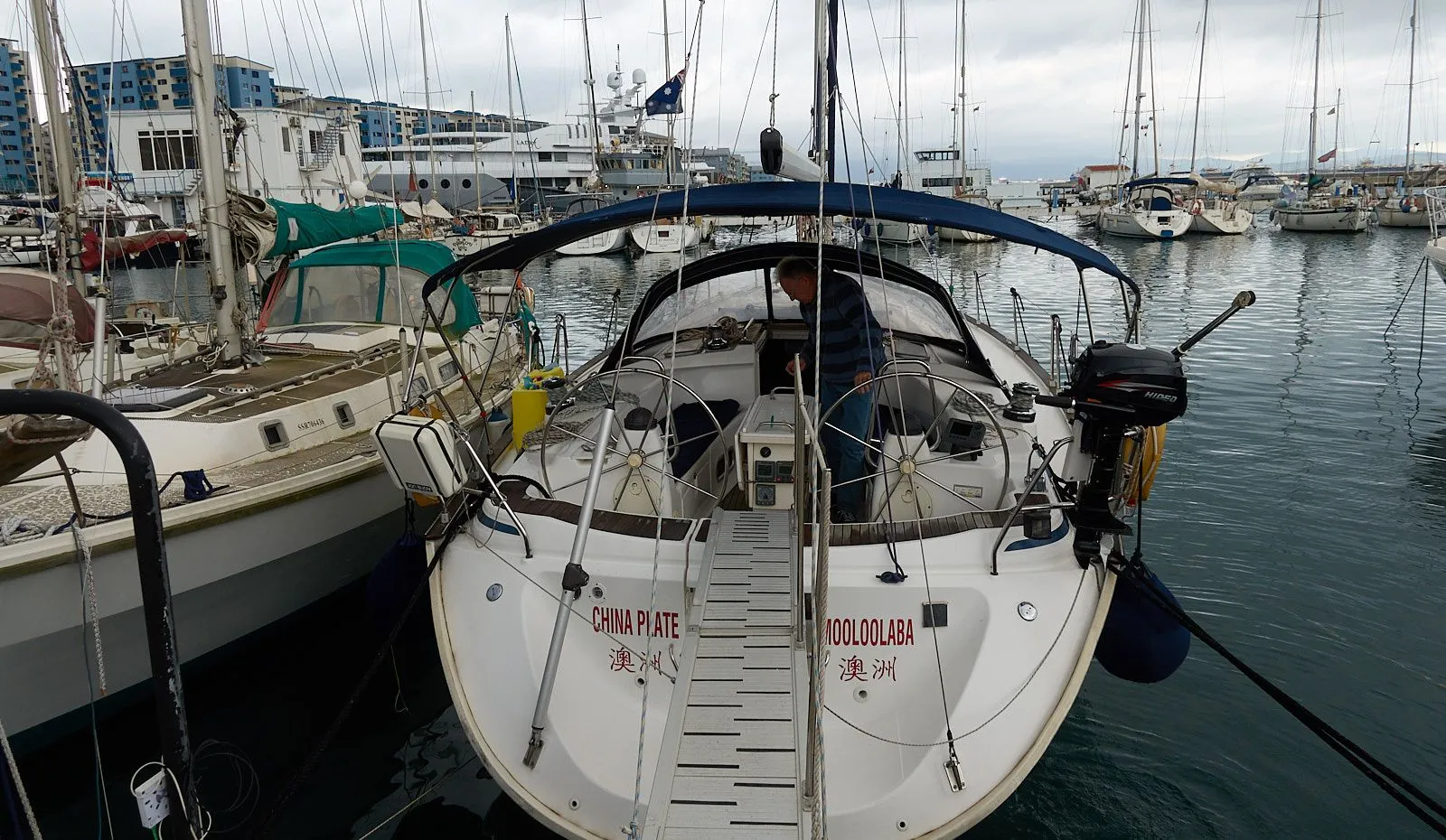
Usually these are private sailing yachts, but sometimes also charter boats that need to be moved from A to B. Anything from a luxury yacht to a boat ready for the scrapyard can turn up.
How do I find a boat?
The most “original” way to find a boat is to look for one directly in the harbour. For that you shouldn’t be too introverted and simply start conversations. In my experience it’s important not to ask straight away whether you can come along, because usually the barrier to just taking someone along is too high.
My strategy was almost always to get the person (whether skipper, crew or just the bartender in the harbour bar) into a conversation, find out about their situation and tell them a bit about myself. Usually it becomes clear anyway that you’re looking for a boat. If the other person is potentially interested, they’ll say so. Asking directly whether they’ll take you forces them into a decision, which usually doesn’t help.
In the end it’s about immersing yourself a bit in the community and getting to know people. Once people know you’re all right, opportunities usually come up by themselves, often through friends of friends. To raise your profile a little, simple posters that describe you briefly also work well.
Besides searching in the harbour there are also some online platforms that connect crew with boat owners. A good German site is Handgegenkoje.de. You’ll find many offers in German-speaking countries there and a few international ones.
Findacrew.com is the best-known international site with lots of offers. However, as a free user the site is almost useless, and I find a fee of about €60 a bit outrageous.
Apart from that there are a few other smaller websites. I’ve had good experiences with Crewbay.com; as a free user you’re only limited by a cool-down time between messages, which isn’t a big obstacle.
German and international Facebook groups are also a good place to go. With a bit of creativity you can reach a lot of people quite easily there.
Do I need to know how to sail?
Basically no. I’ve met many boat hitchhikers who had never sailed and still found a boat. What matters most is being likeable and responsible. But it certainly makes the process much easier if you can show at least a little experience.
What does it cost?
It’s common to pay your own share of the provisioning costs. That means your share of the food, and sometimes also of marina fees and diesel. Depending on lifestyle, that’s often between €5 and €30 per day. Some owners are generous and you don’t have to pay anything (I’m that lucky 🙂).
Apart from that there are also purely commercial offers, but they often cost around €1,000 per week.
Routes and ports for crossing the Atlantic
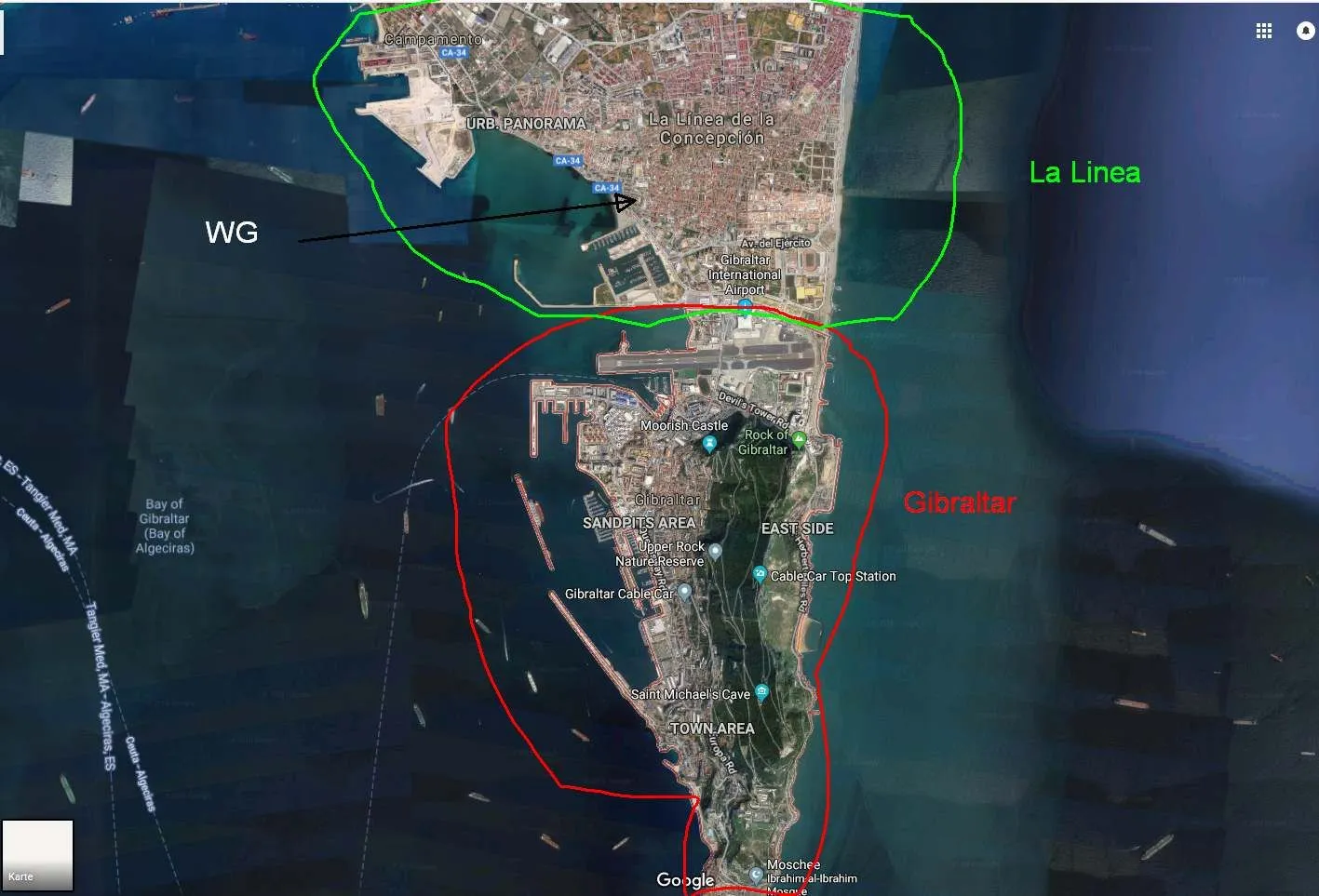
If, like me, you want to cross the Atlantic, the best place to go is Gibraltar and La Línea in Spain. The two harbours are only a few kilometres apart and are the last stop on the European mainland for many sailors before heading to the Canaries.
 All seven Canary Islands have harbours that boats call at. By far the most boats are in Las Palmas on Gran Canaria. But you’ll also find lots of other boat hitchhikers there, so there’s some competition. On the other islands your chances are often better because you’re on your own.
Some boats also stop in Cape Verde. The only relevant harbour there is Mindelo.
If you’re planning to sail across the Atlantic, you should definitely keep the season in mind. Almost everyone crosses between November and February. To avoid being too late, it’s best to be in Gibraltar by early December at the latest.
That’s it for now. I hope I could give you a good overview. If you have questions, feel free to leave a comment or write to me. When I gain new experience I’ll update it here.
Immer wieder werde ich gefragt, wie das eigentlich mit dem Bootstrampen funktioniert, weswegen ich jetzt mal einen separaten Beitrag darüber verfassen werde, den ich dann immer verlinken kann.
Was ist Bootstrampen?
Mit Bootstrampen meine ich im Prinzip Boote per Anhalter zu fahren. Das Prinzip nennt sich im Deutschen auch Hand gegen Koje. Die Boote findet man entweder im Internet, vor Ort im Hafen, oder über Kontakte. Bezahlen tut man dafür in der Regel nur den eigenen Anteil an Essen und Co.
Was für Boote?
Das Prinzip von Hand gegen Koje beruht auf Gegenseitigkeit. Der Bootführer (Skipper) bietet einen kostenlosen Platz auf dem Boot an und im Gegenzug hilft der Tramper beim Segeln und allen anfallenden Arbeiten auf dem Boot.
In der Regel handelt es sich dabei um private Segelyachten, manchmal aber auch um Charterboote, die von A nach B gebracht werden müssen. Oft ist alles von der Luxusyacht bis zum schrottreifen Boot dabei.
Wie finde ich ein Boot?
Die „ursprünglichste“ Art, ein Boot zu finden, ist es, direkt im Hafen danach zu suchen. Hierfür sollte man nicht allzu introvertiert sein und einfach das Gespräch suchen. Dabei ist es meiner Erfahrung nach wichtig, nicht zu direkt zu fragen, ob man mitkann, denn in der Regel ist die Hemmschwelle zu groß, einen einfach so mitzunehmen.
Meine Strategie war fast immer, die Person (egal ob Skipper, Crew oder nur Barkeeper in der Hafenbar) in ein Gespräch zu verwickeln und über deren Situation zu erfahren, sowie ein bisschen über einen selbst zu erzählen. Dabei wird in der Regel dann sowieso klar, dass man ein Boot sucht. Wenn der andere potenziell Interesse hat, wird dieser das äußern. Mit einer direkten Frage, ob er einen mitnehmen will, zwingt man ihn zu einer Entscheidung, was in der Regel nicht hilfreich ist.
Im Endeffekt kommt es darauf an, ein bisschen in die Community einzutauchen und die Menschen kennen zu lernen. Wenn die Leute dann wissen, dass man in Ordnung ist, ergeben sich die Gelegenheiten in der Regel von selbst, oft auch über ein paar Ecken. Um seine Bekanntheit ein bisschen zu erhöhen, eignen sich auch normale Poster, die einen kurz und knapp beschreiben.
Neben der Suche im Hafen gibt es auch einige Onlineplattformen, die Suchende und Bootseigner vermitteln. Eine gute deutsche Seite ist dabei Handgegenkoje.de. Dort findet man viele Angebote im deutschen Raum und ein paar im internationalen.
Findacrew.com ist die bekannteste internationale Seite mit sehr vielen Angeboten. Allerdings ist die Seite als kostenloser Nutzer fast nutzlos, und einen Beitrag von ca. 60€ finde ich ein bisschen unverschämt.
Abgesehen davon gibt es noch einige andere kleinere Webseiten. Gute Erfahrungen hatte ich bisher mit Crewbay.com, als kostenloser Benutzer wird man nur durch eine Cool-down-Zeit bei Nachrichten eingeschränkt, was aber kein großes Hindernis darstellt.
Ein guter Anlaufpunkt sind außerdem deutsche als auch internationale Facebook-Gruppen. Hier erreicht man mit ein bisschen Kreativität ziemlich einfach viele Menschen.
Muss ich segeln können?
Grundsätzlich nicht, ich habe viele „Bootstramper“ gefunden, die noch nie gesegelt sind und ein Boot gefunden haben. Wichtig ist vor allem Sympathie und Verantwortungsbewusstsein. Allerdings macht es den Prozess auf jeden Fall wesentlich einfacher, wenn man zumindest ein bisschen Erfahrung vorweisen kann.
Was kostet es?
Üblich ist es, dass man seinen eigenen Teil an den Verpflegungskosten übernimmt. Das heißt, die anteiligen Kosten an Nahrung, sowie manchmal auch die für die Marinagebühren und den Diesel. Je nach Lebensstil kann das oft zwischen 5-30€ pro Tag liegen. Manche Eigner sind auch spendabel und man muss nichts zahlen (das Glück habe ich 🙂 ).
Abgesehen davon gibt es auch rein kommerzielle Angebote, die kosten dann aber oft um die 1000€ pro Woche.
Routen und Häfen für den Weg über den Atlantik.
Wenn man wie ich über den Atlantik will, ist die beste Anlaufstelle Gibraltar und La Linea in Spanien. Die zwei Häfen liegen nur ein paar Kilometer auseinander und ist für viele Segler der letzte Stopp auf dem europäischen Festland, bevor es auf die Kanaren geht.
Auf allen 7 Kanarischen Inseln gibt es Häfen, die angelaufen werden. Mit Abstand am meisten Boote gibt es in Las Palmas auf Gran Canaria. Allerdings wird man hier auch viele andere Bootstramper finden. Es besteht also eine gewisse Konkurrenz. Auf den anderen Inseln stehen die Chancen oftmals besser, weil man dann alleine unterwegs ist.
Ein Teil der Boote macht noch einen Halt auf den Kapverden. Einziger relevanter Hafen ist hier Mindelo.
Wenn man plant, über den Atlantik zu segeln, sollte man auf jeden Fall auch die Saison dafür beachten. Fast alle fahren zwischen November und Februar rüber. Um nicht zu spät zu sein empfiehlt es sich, spätestens Anfang Dezember in Gibraltar zu sein.
So, das war es jetzt erst mal. Ich hoffe, ich konnte einen guten Überblick geben. Bei Fragen könnt ihr gerne einen Kommentar hinterlassen oder mir schreiben. Wenn ich neue Erfahrungen mache, werde ich die auch hier aktualisieren.
Comments
New comments appear once I have approved them. Stored: name, text and, if given, website and e-mail (never public). More in the privacy policy.