St. Lucia and the Panama Canal
St. Lucia und der Panamakanal
One evening on St. Lucia there was a happy surprise. Quite unexpectedly I ran into two friends I had met on Cape Verde: an Australian and a Frenchman who, like me, are hitchhiking on boats.
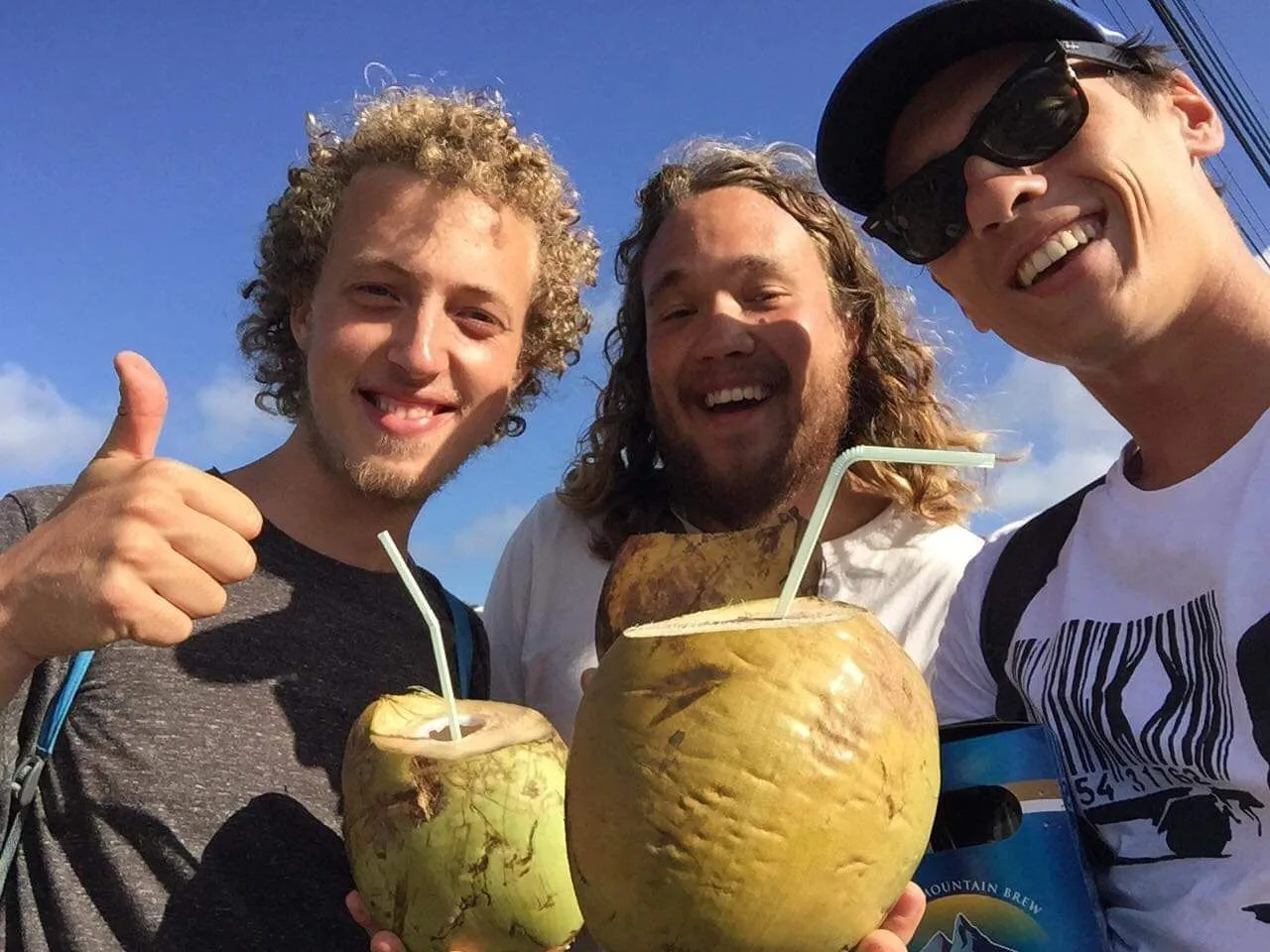
We partied in town together that night and agreed to climb a mountain the next day.
The next morning the three of us and a local (whom the others knew) went up the mountain. The path was much more strenuous than expected and we quickly realised we didn’t have enough water. Still, we made it to the top alive ✌
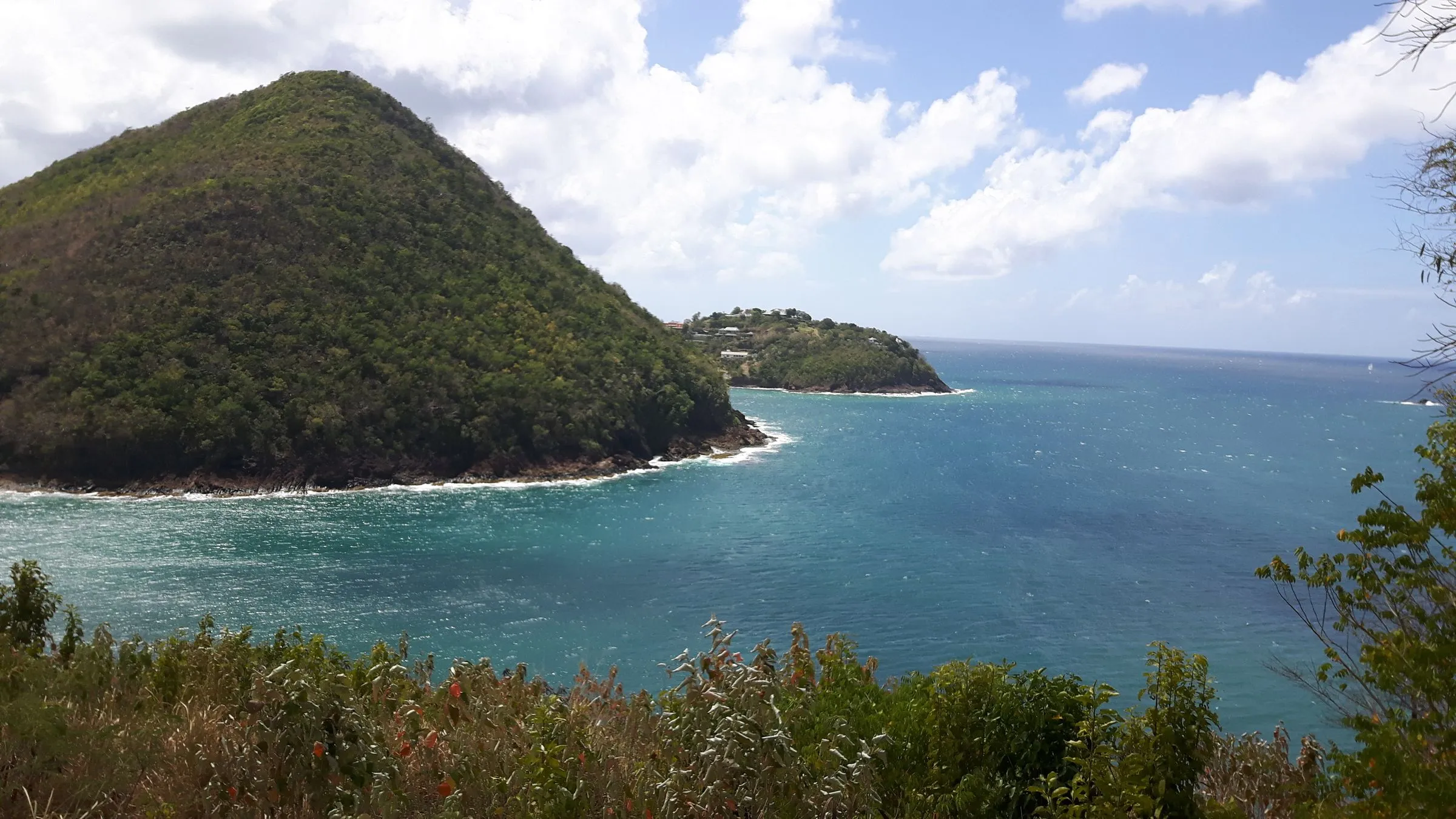
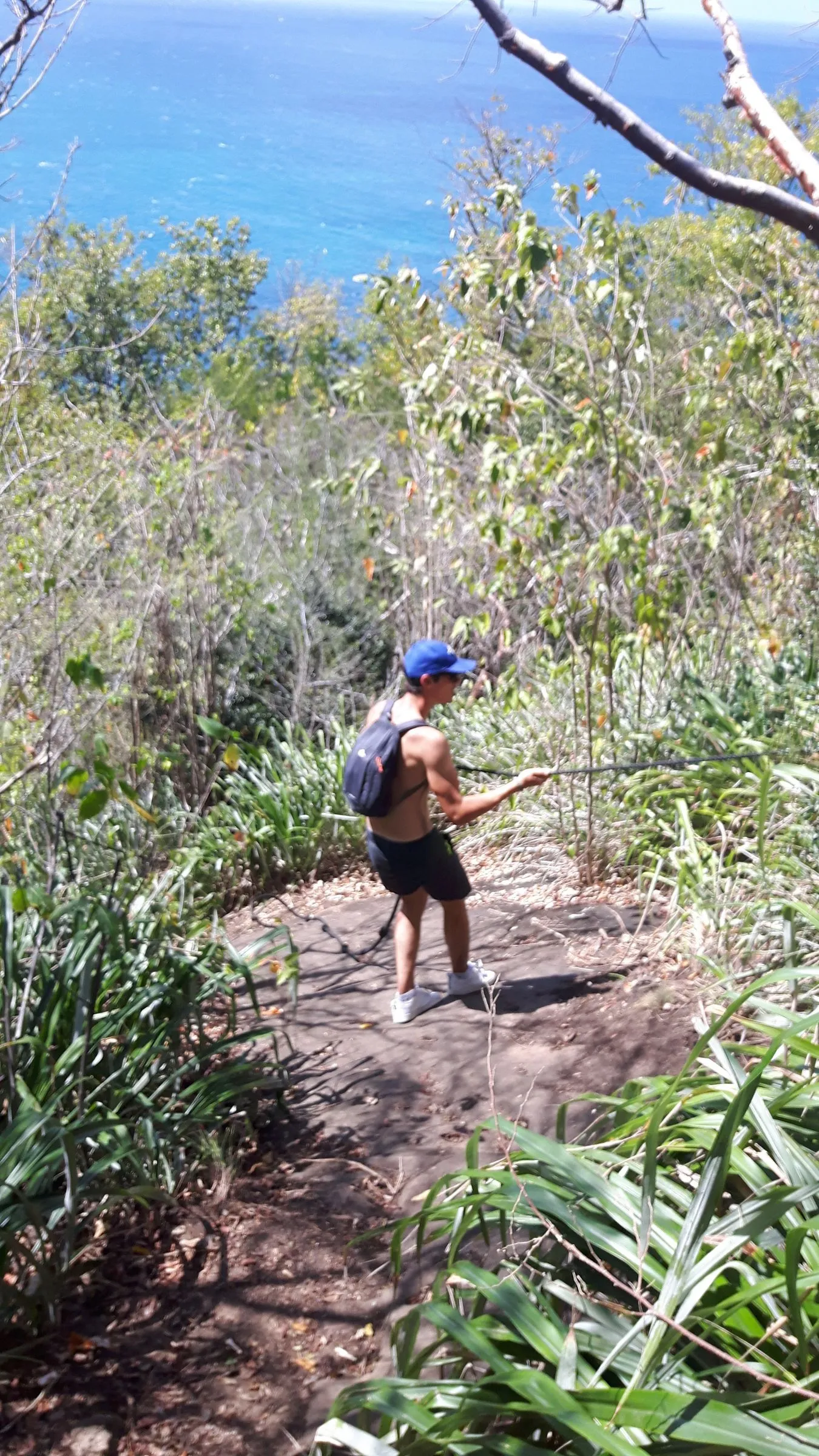
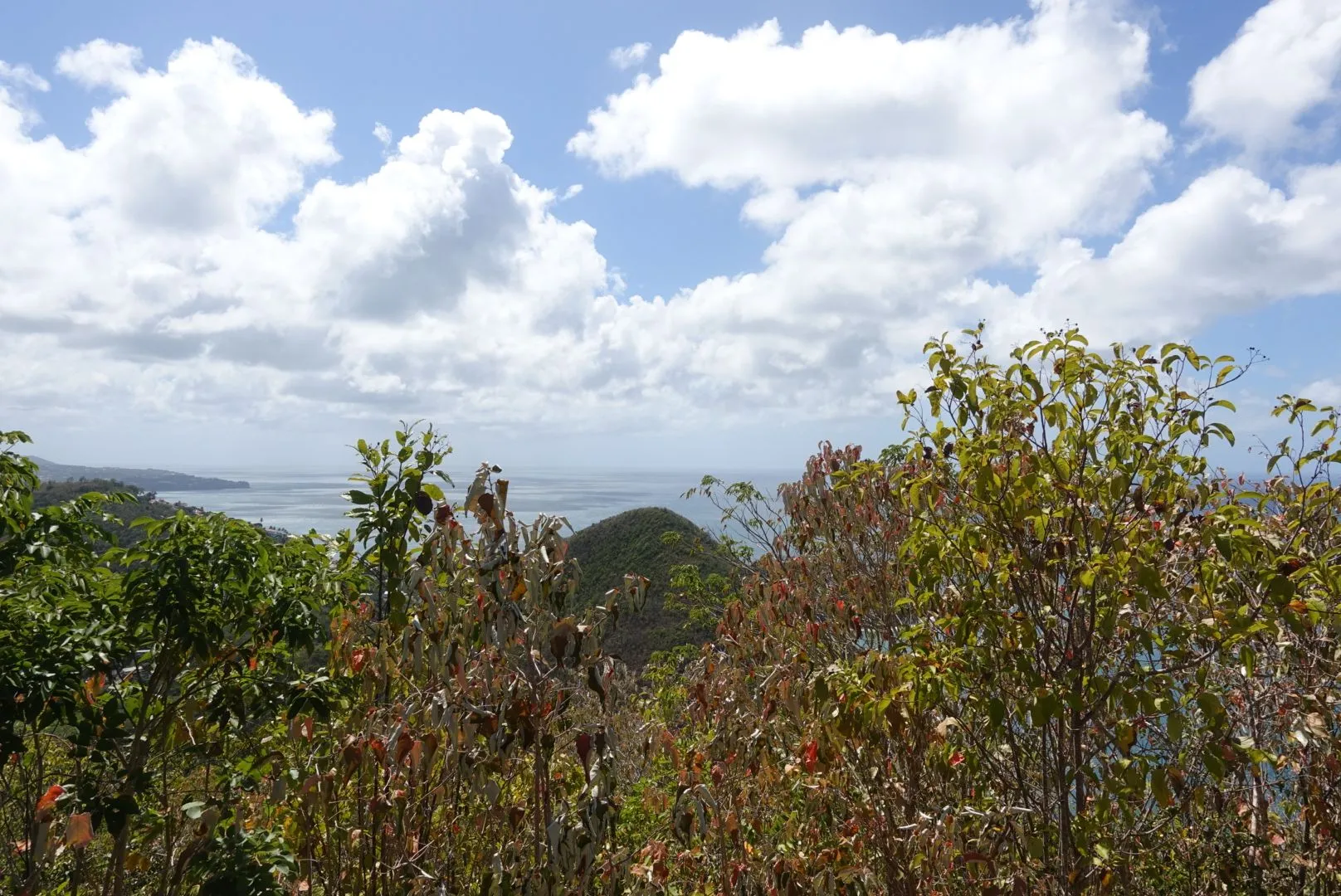
On St. Lucia I had a difficult decision to make. Trevor and the others wanted to move on towards Panama after five days on the island. I would have liked to stay longer, but in the end I decided to keep sailing with China Plate.
We planned ten days for the passage to Panama, and after the usual preparations we set off. This time I had no trouble with seasickness, because I had changed my strategy from “as little as possible” to “just take the tablets all the time”, which worked pretty well.
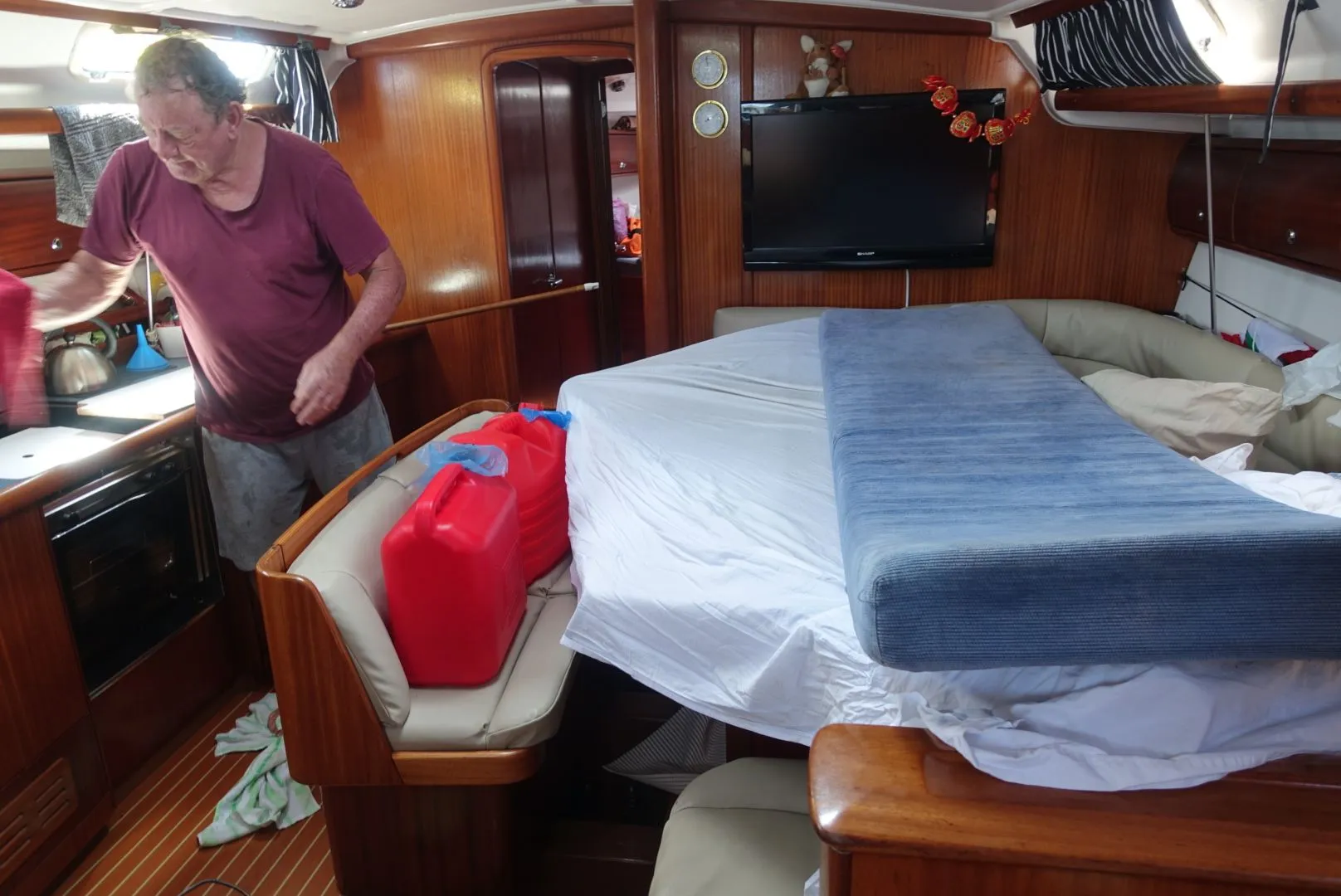
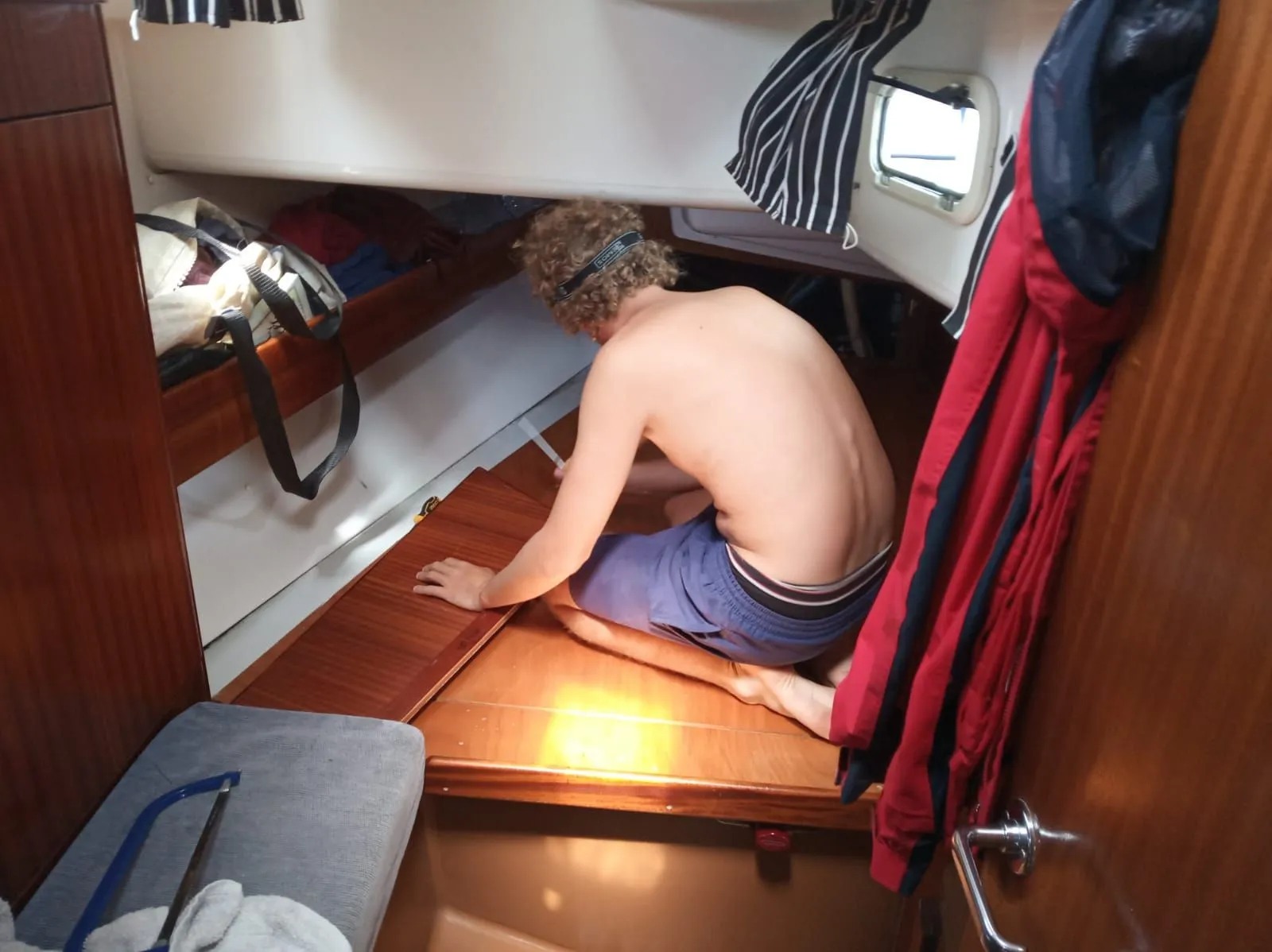
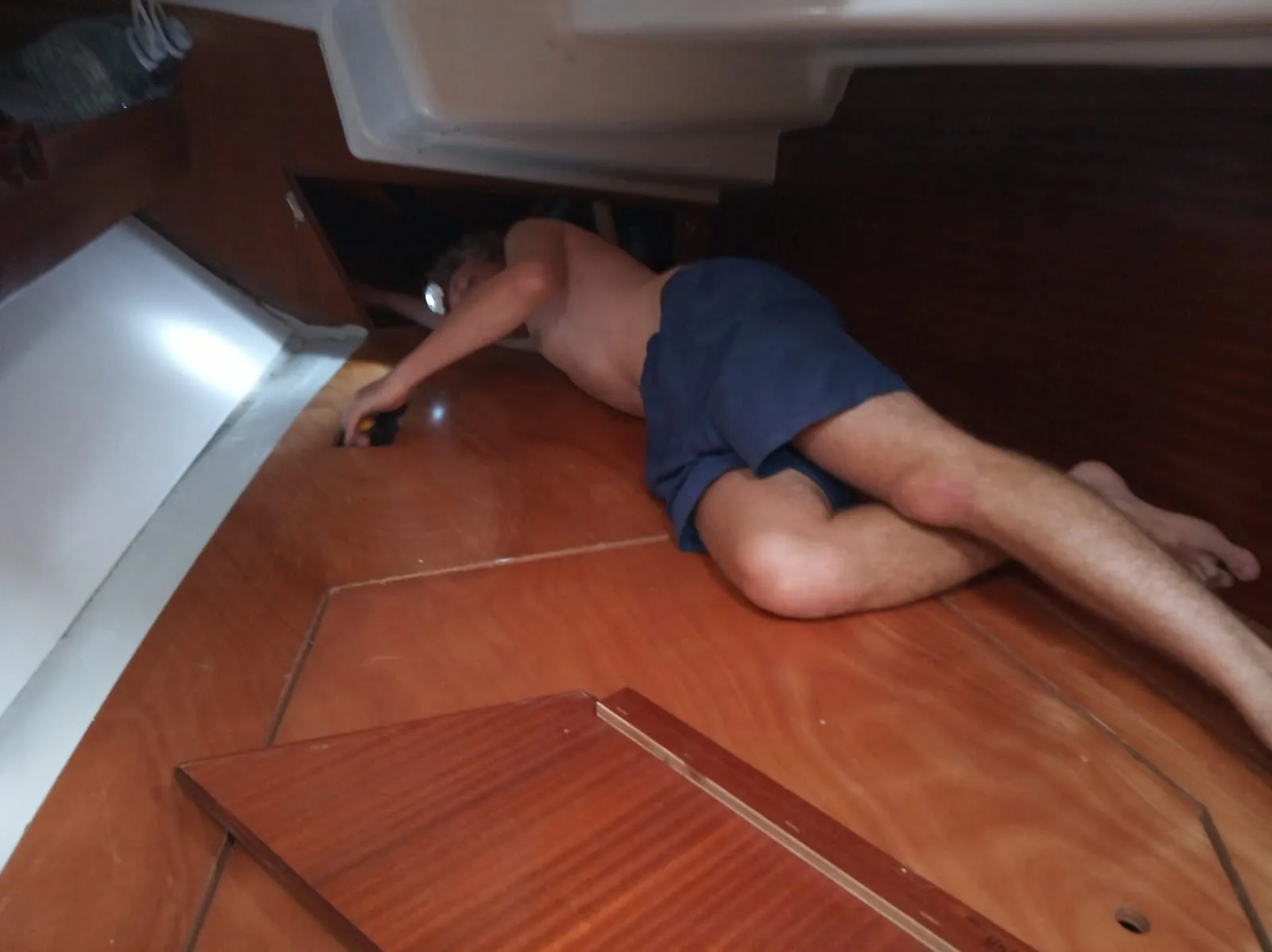
Instead, something happened that every sailor wants to avoid: we had a lot of water in the bilge (the bottom of the boat). That meant there had to be a leak somewhere letting water slowly into the boat. After some searching we found it: at the outlet where the engine’s cooling water is supposed to be discharged into the sea, the pipe had cracked, so the cooling water ended up in the boat instead of the sea.
After this incident the rest of the trip was mostly relaxed and we could enjoy the nice sides of sailing.
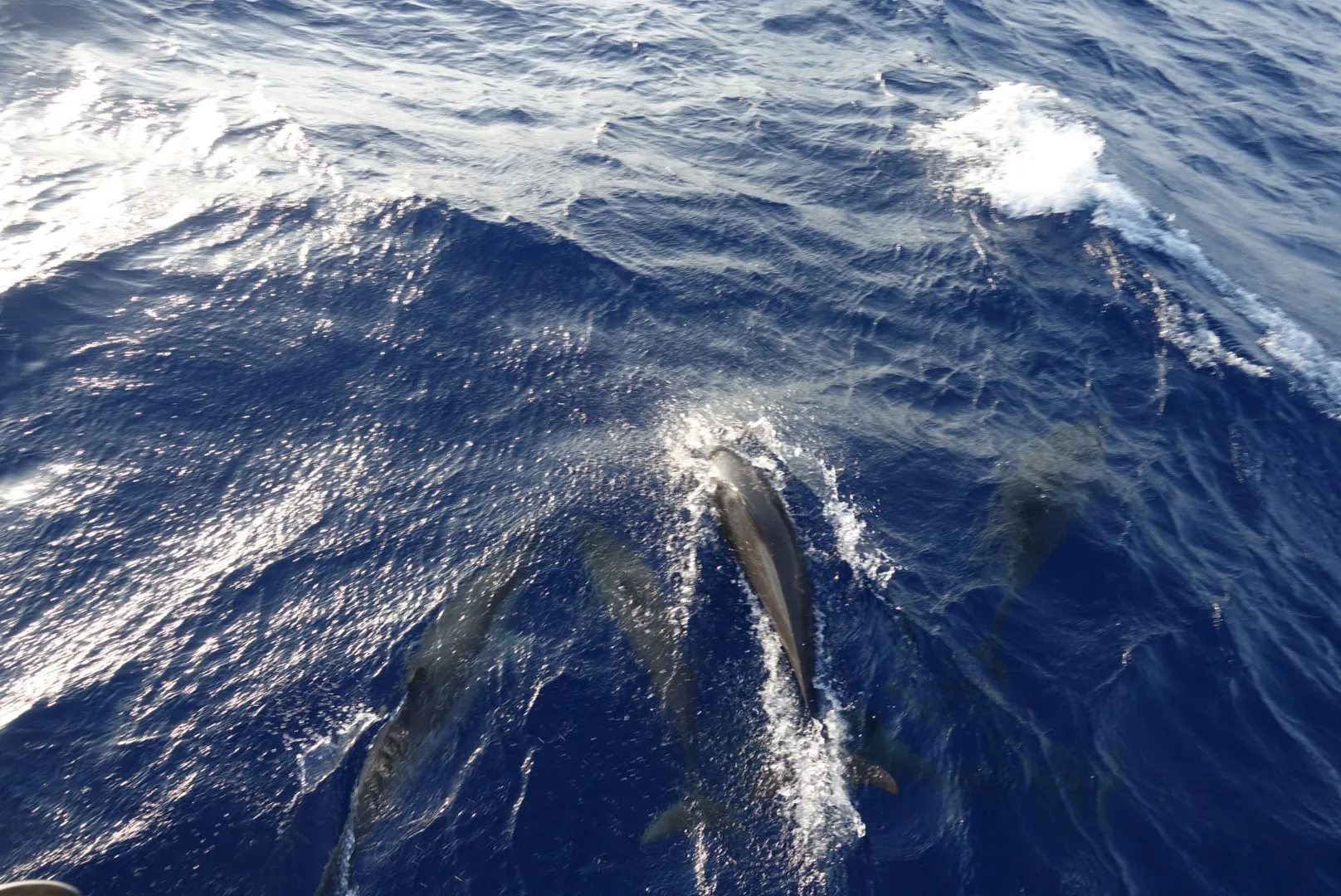
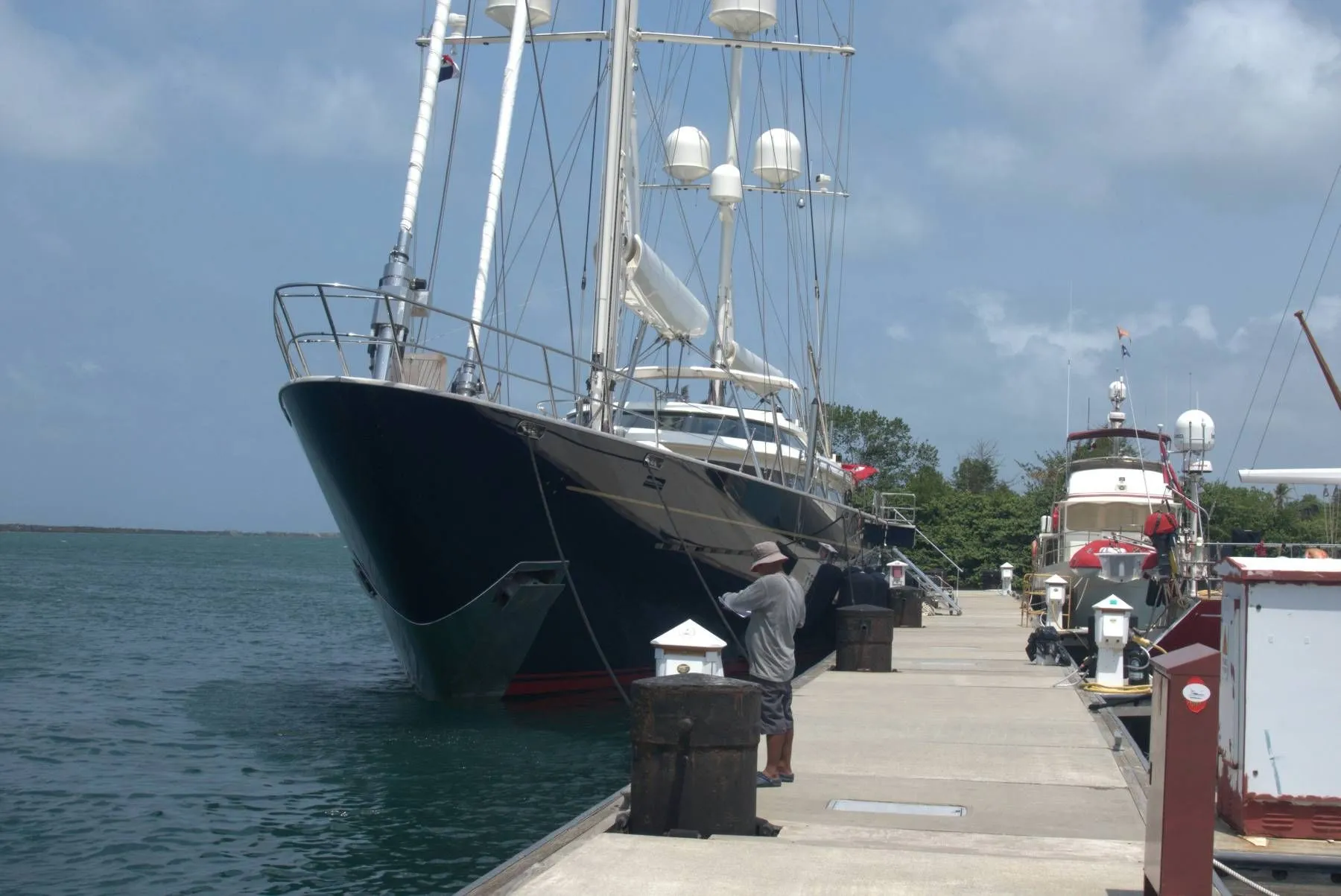
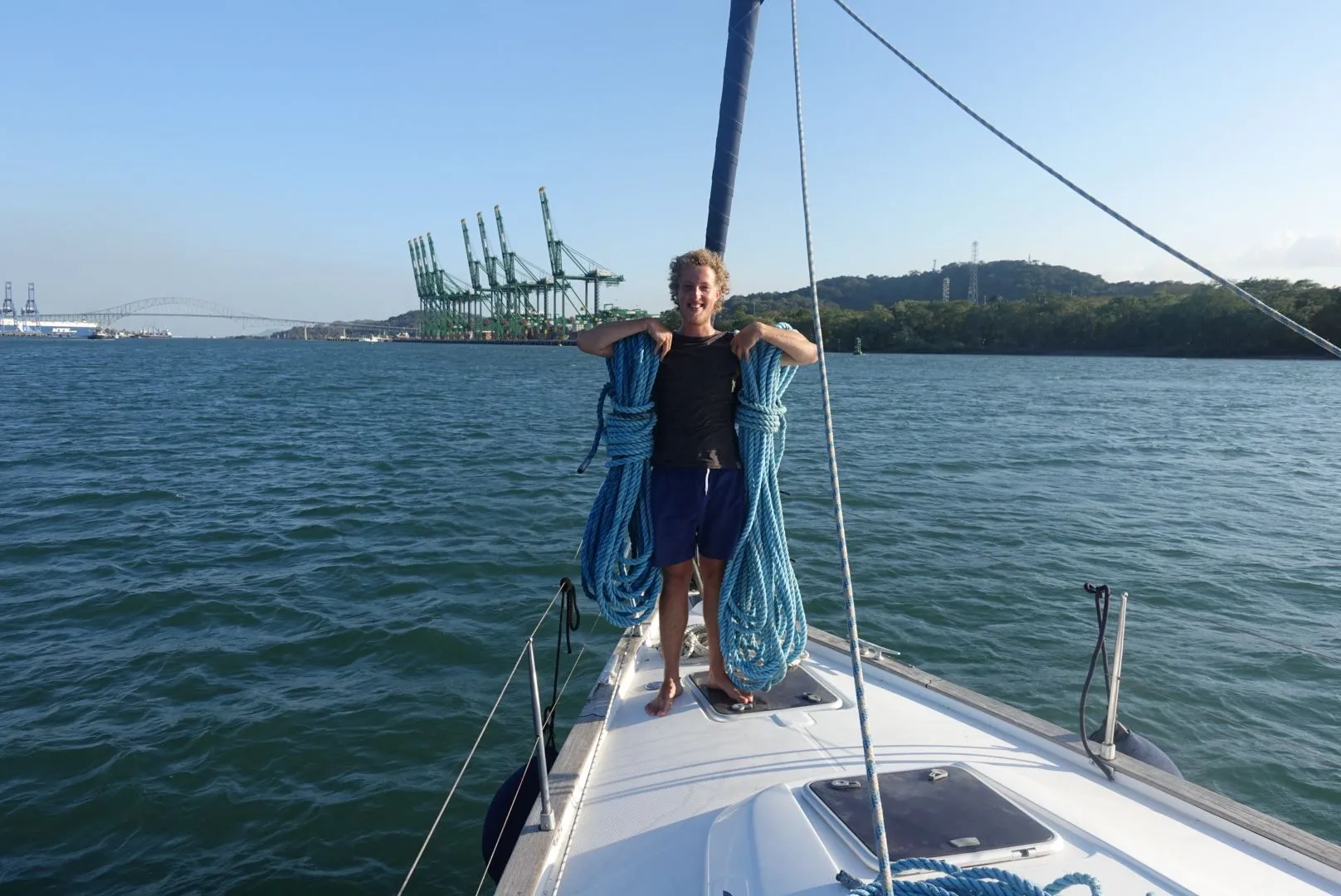
After the planned ten days we reached our destination, Shelter Bay Marina, for once in daylight. All sailing boats that want to go through the canal wait in this marina and have to sort out the paperwork. Since Chris and Mandy (who flew in from Lanzarote) had planned well, we only had to wait a week.
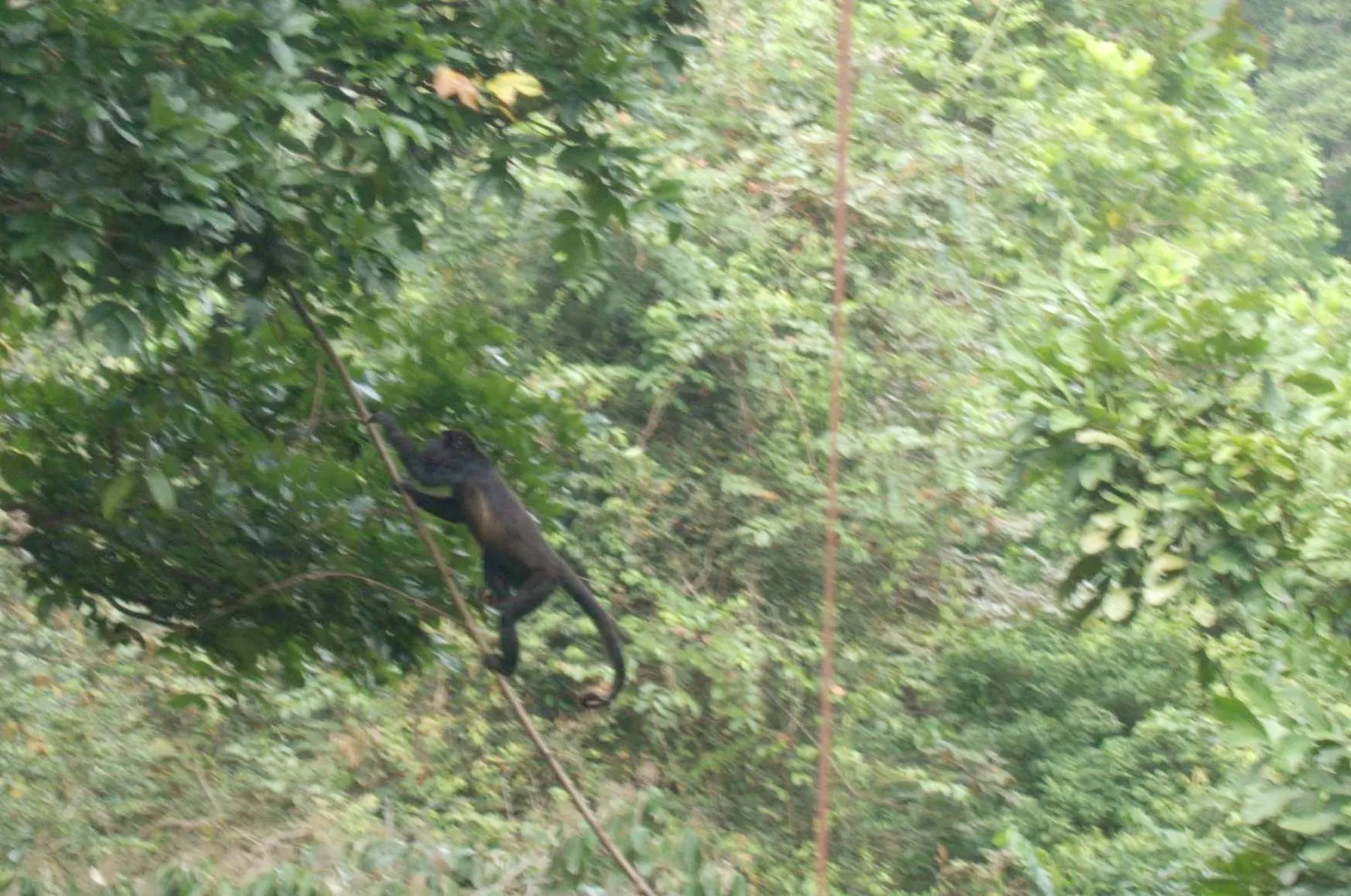
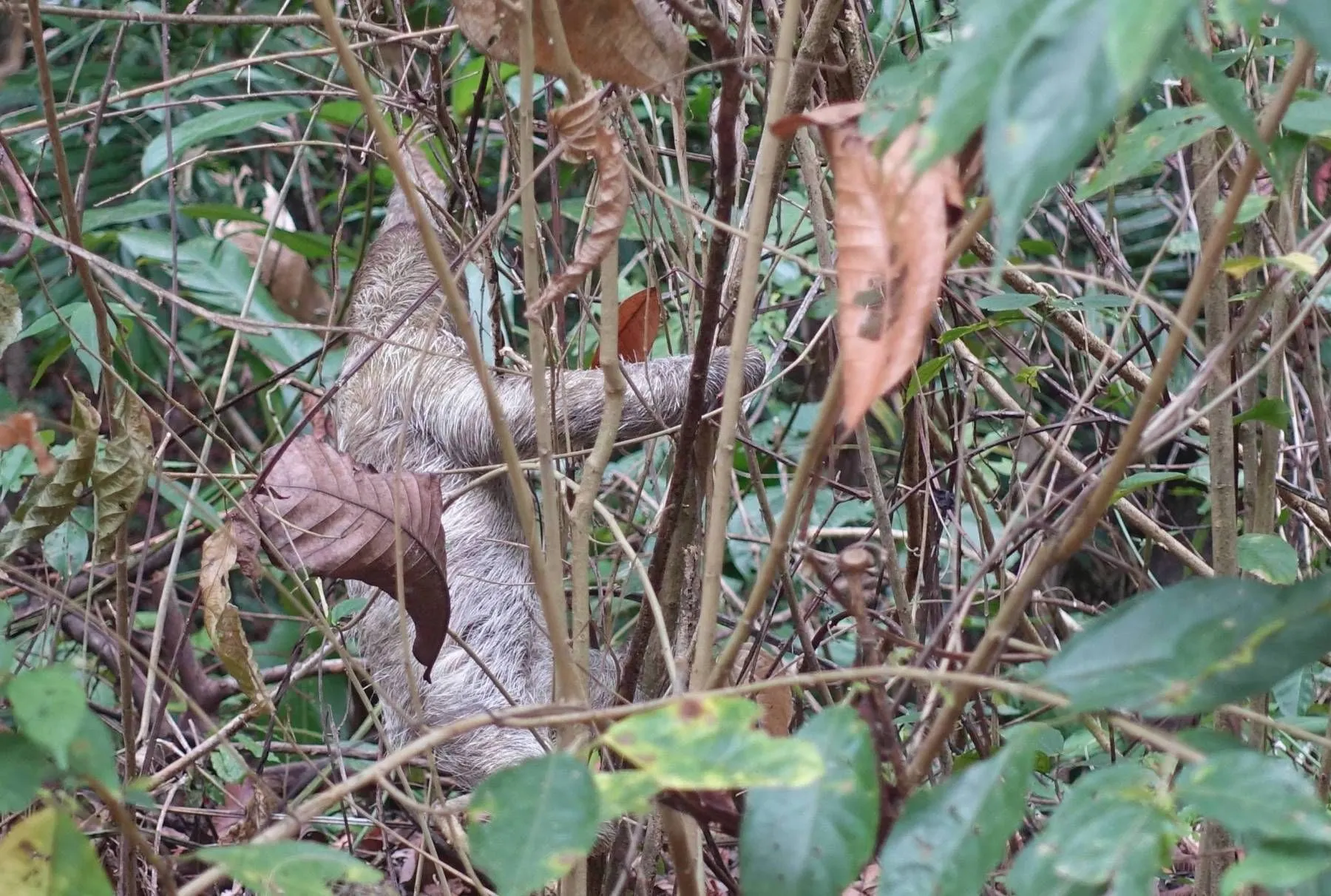
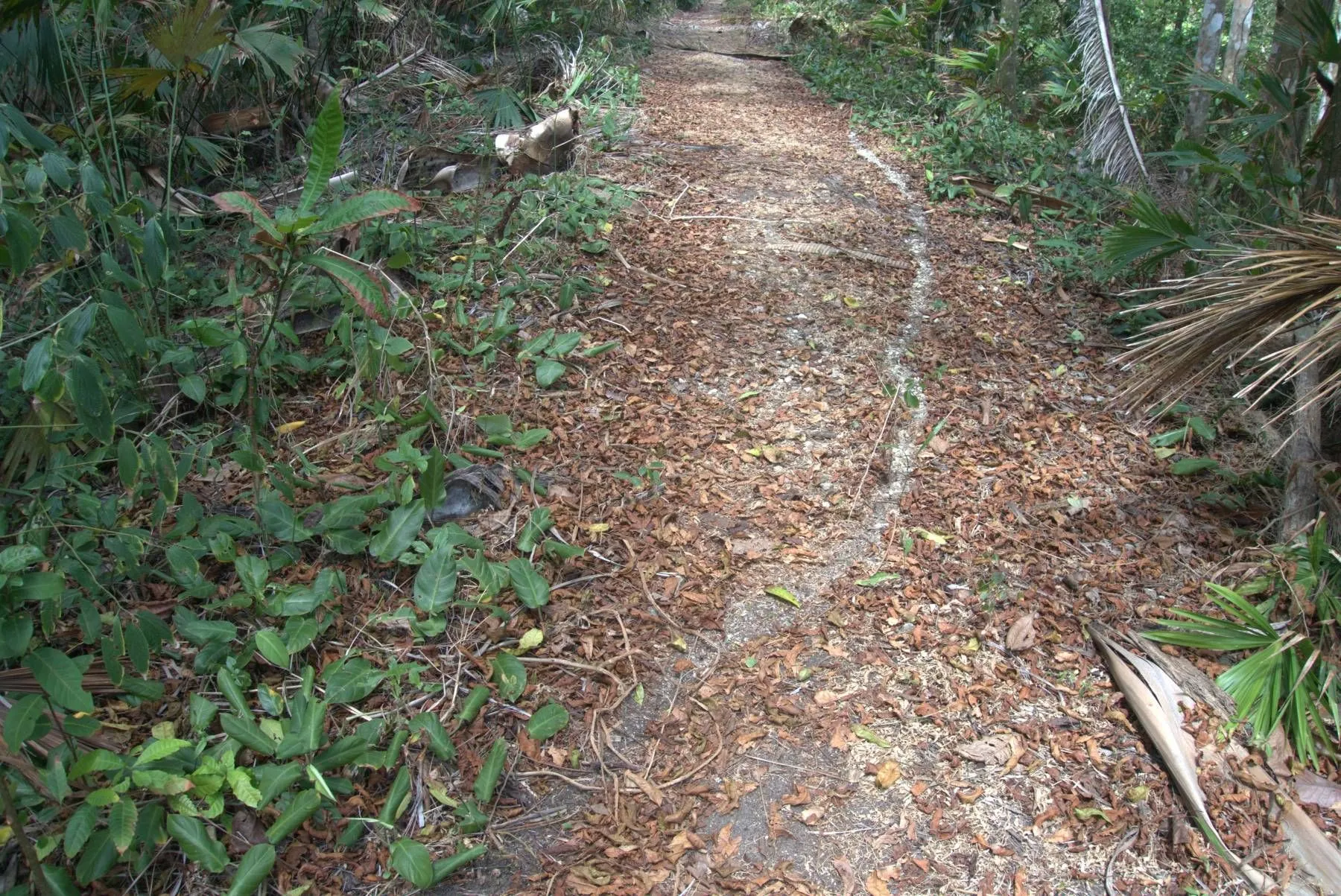
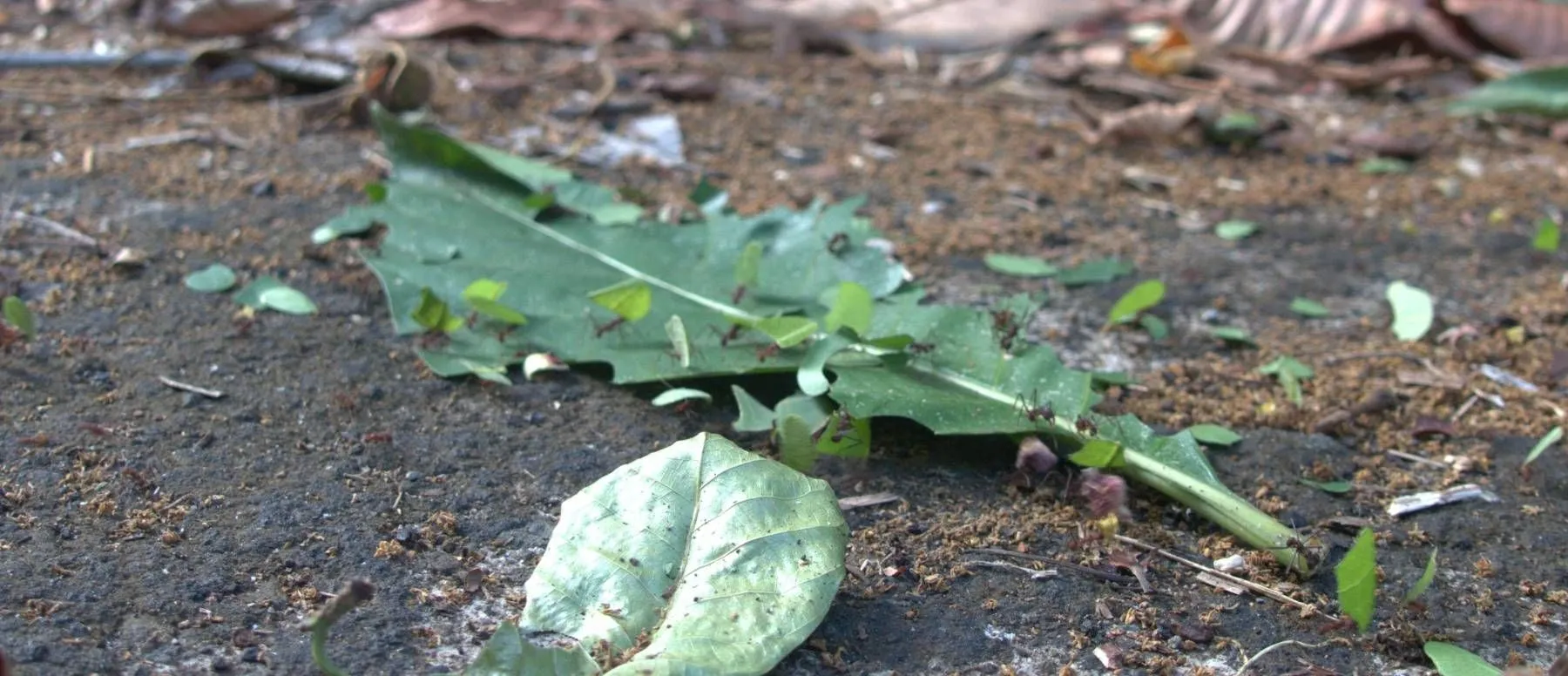
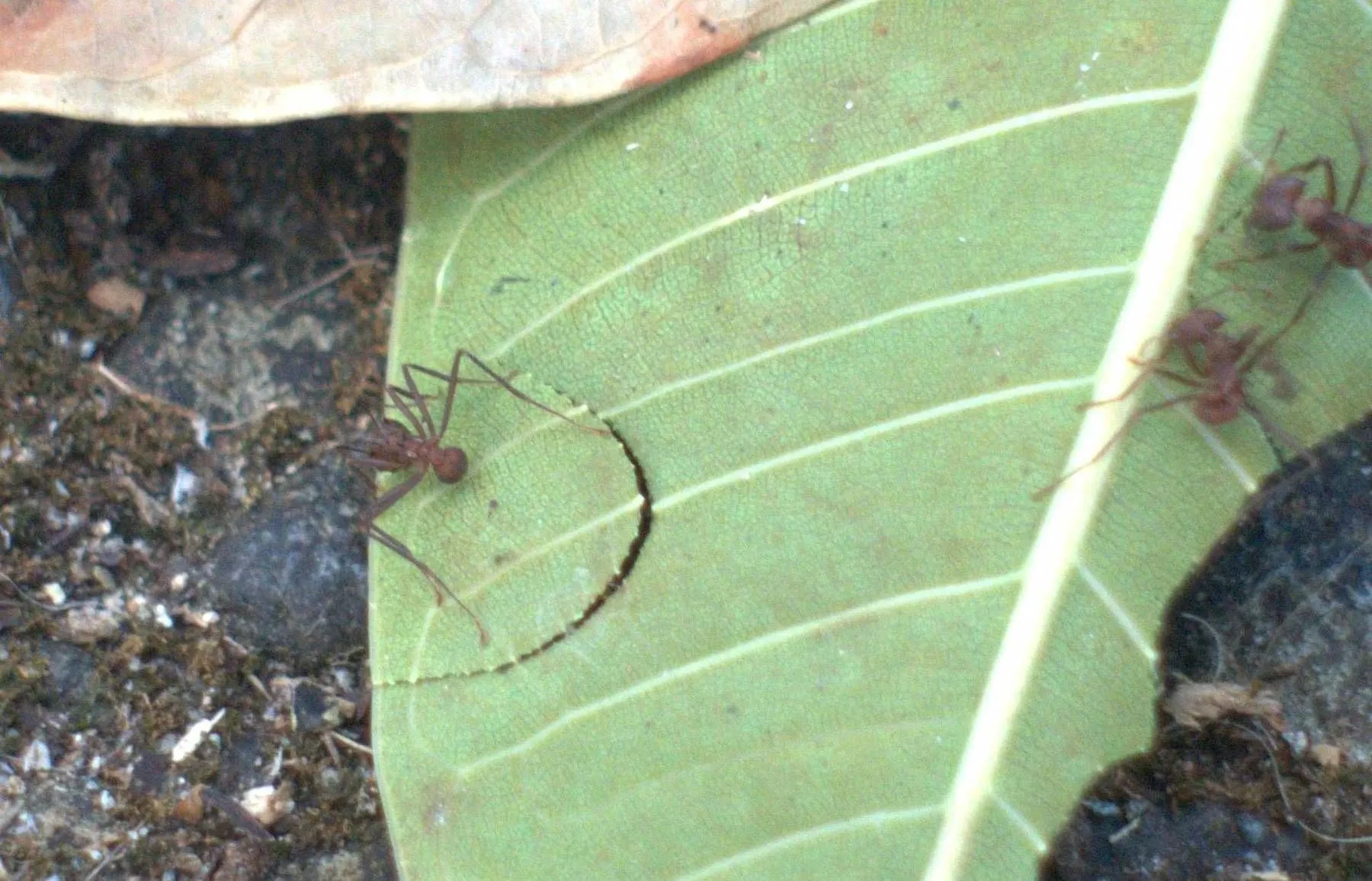
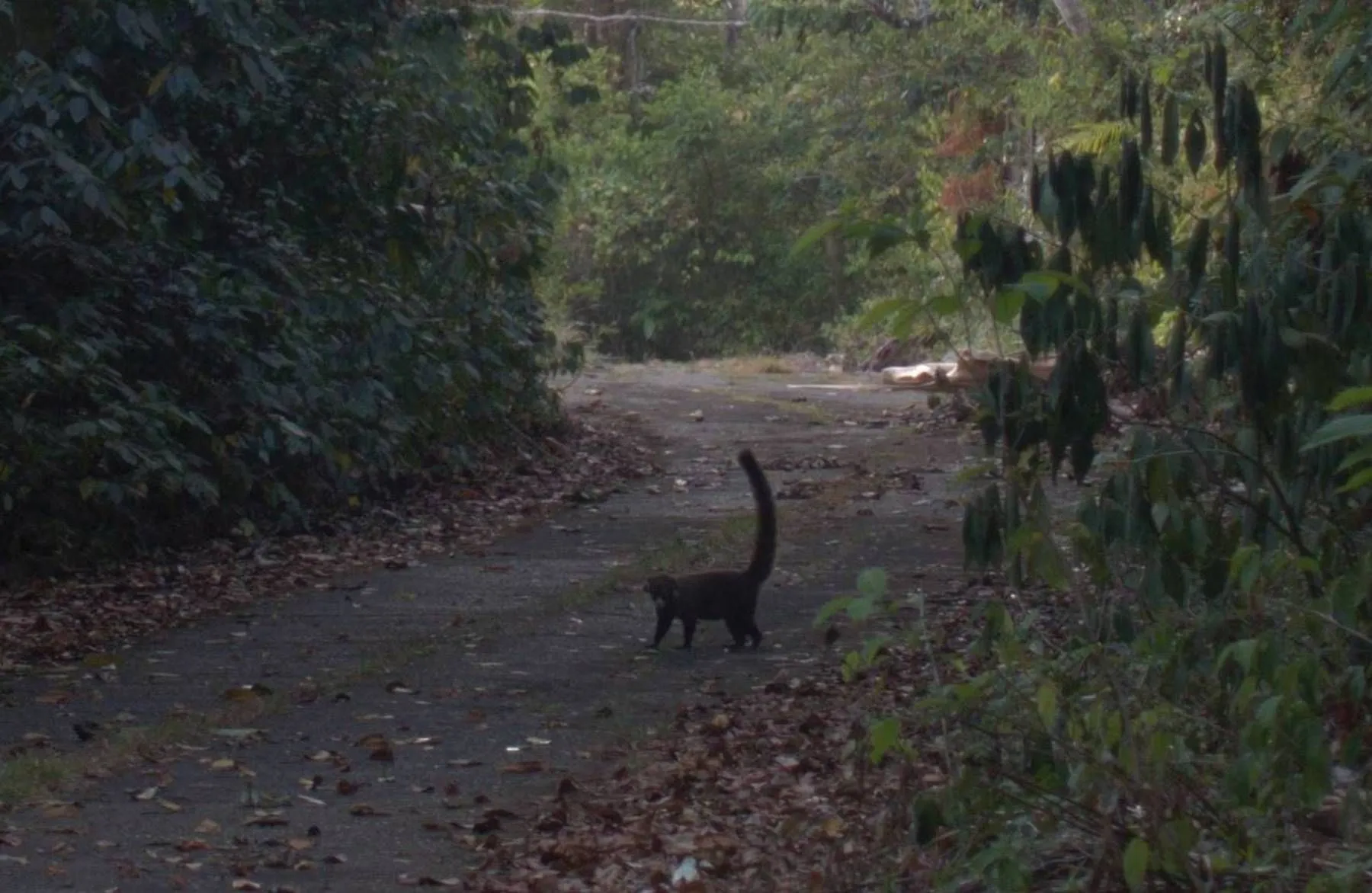
That week I had time to simply relax and do nothing. There was a pool and a gym, and they sold really good ice cream (the most important thing, of course). I used the time to admire the jungle and beaches nearby, which were teeming with animals.
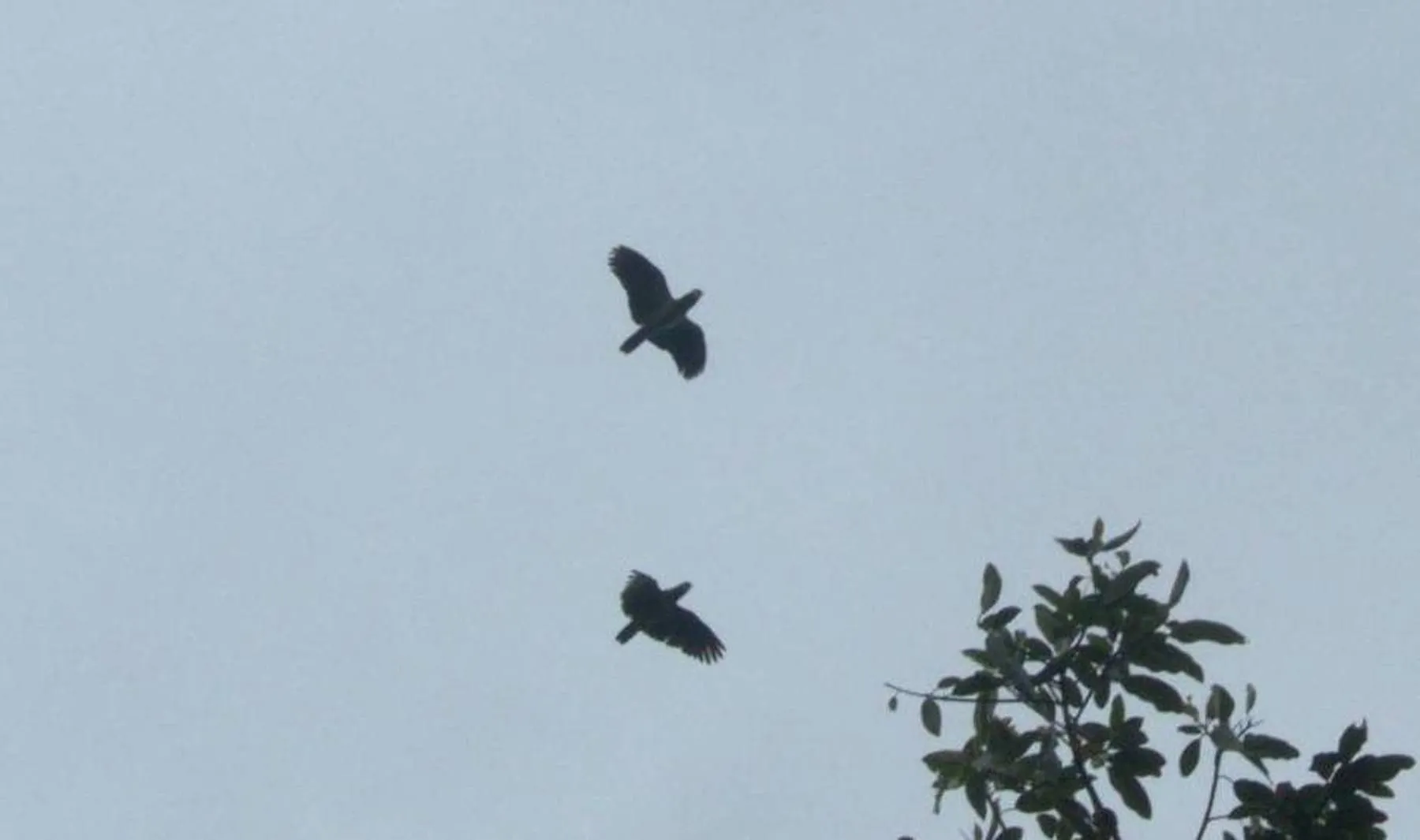

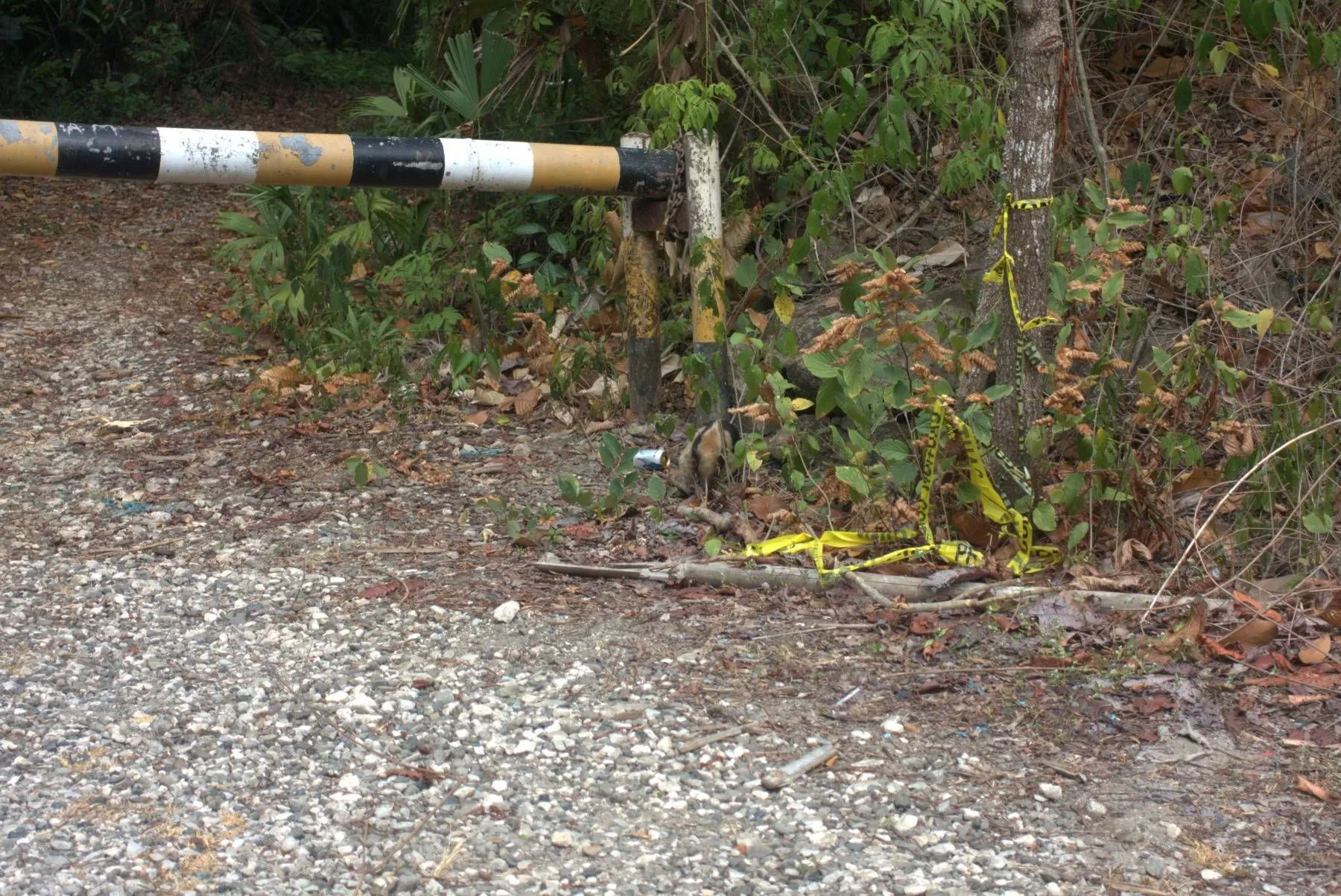
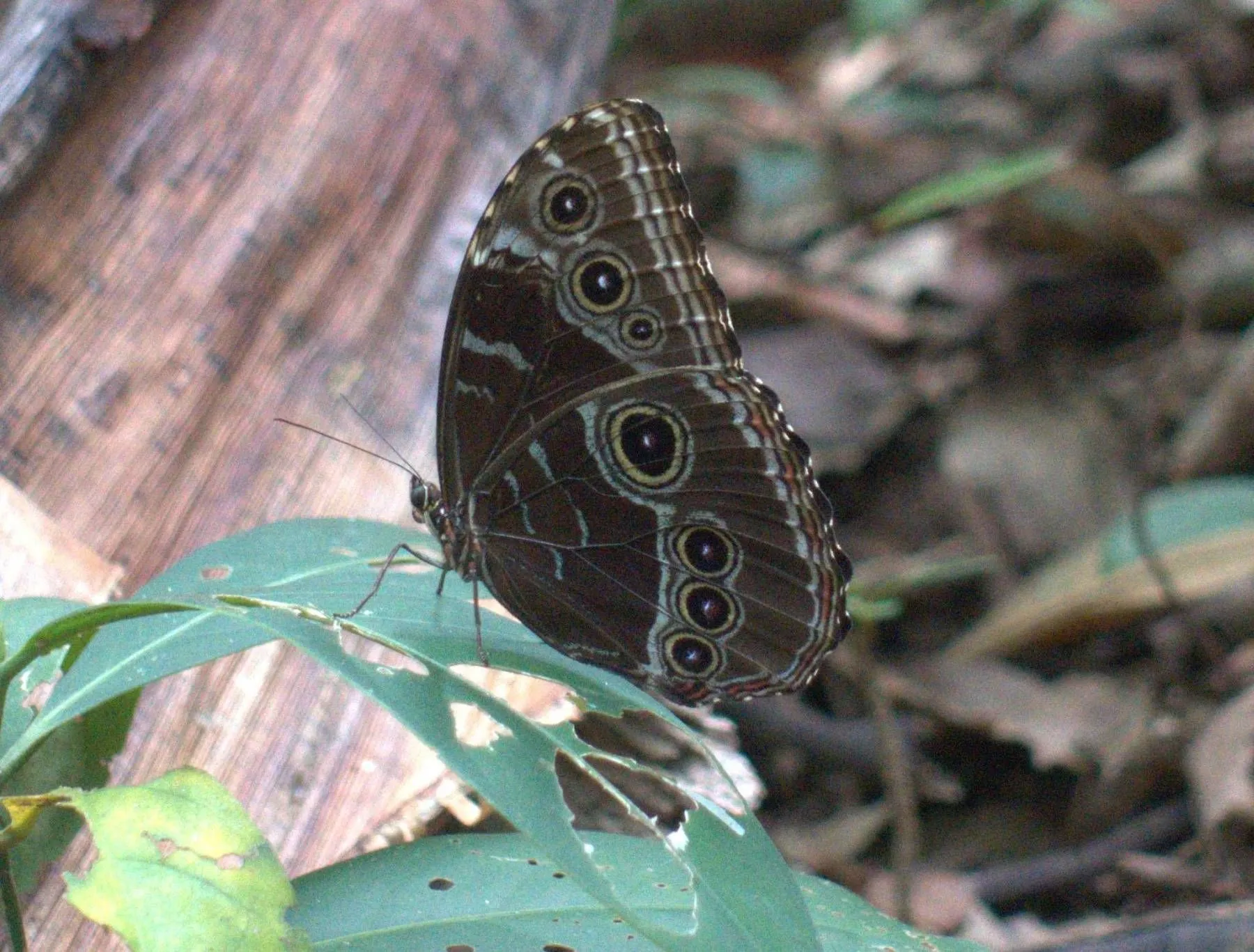
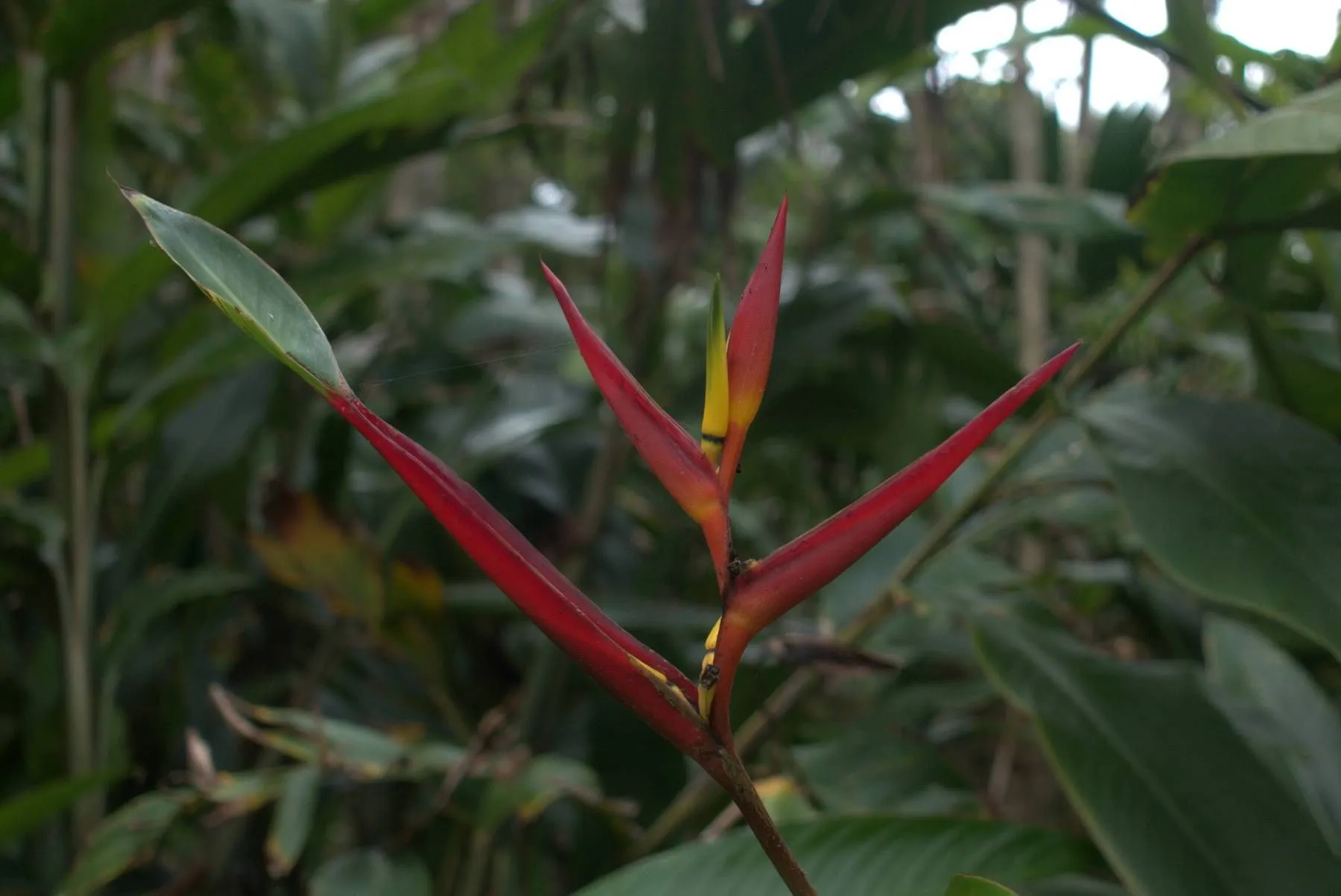
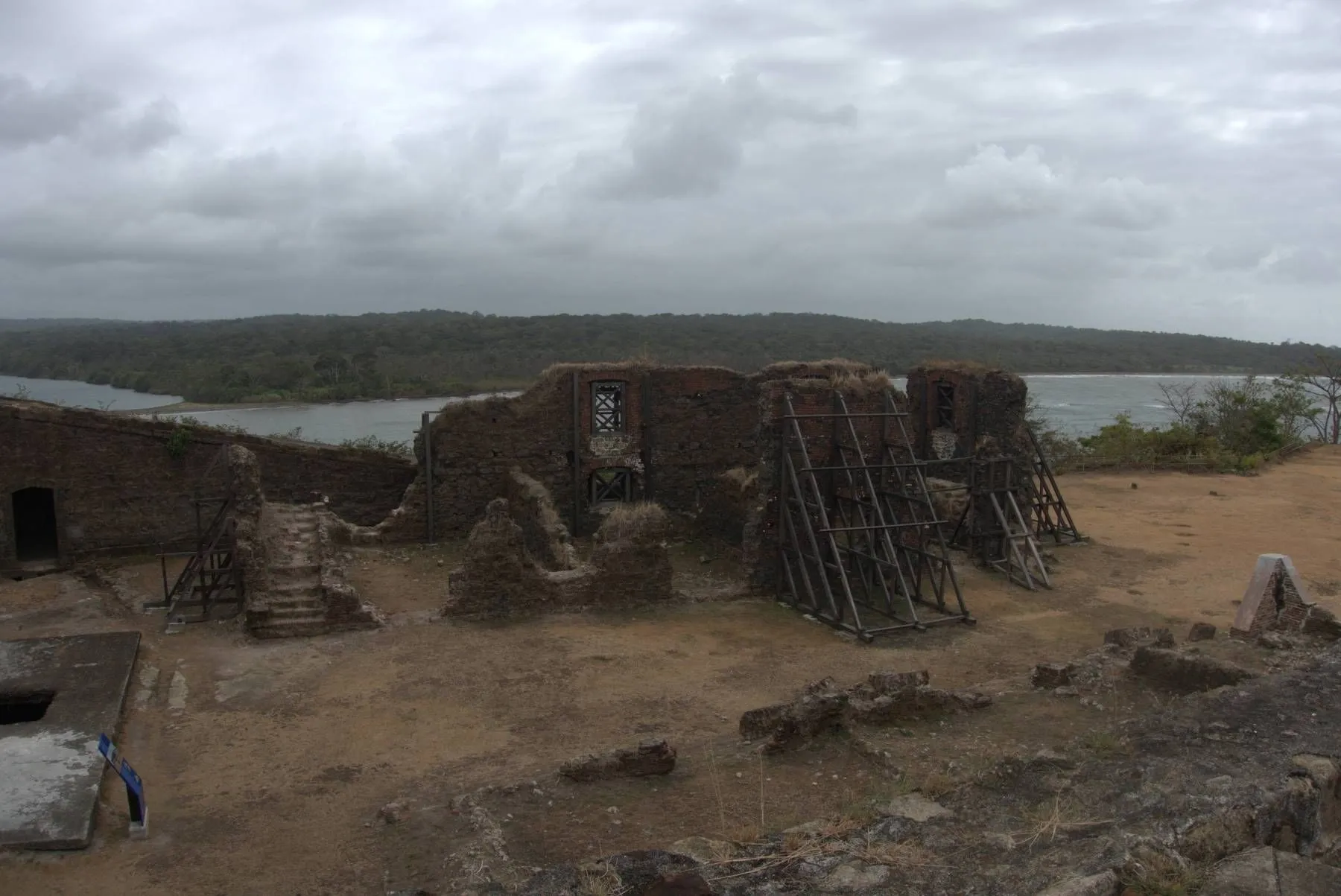
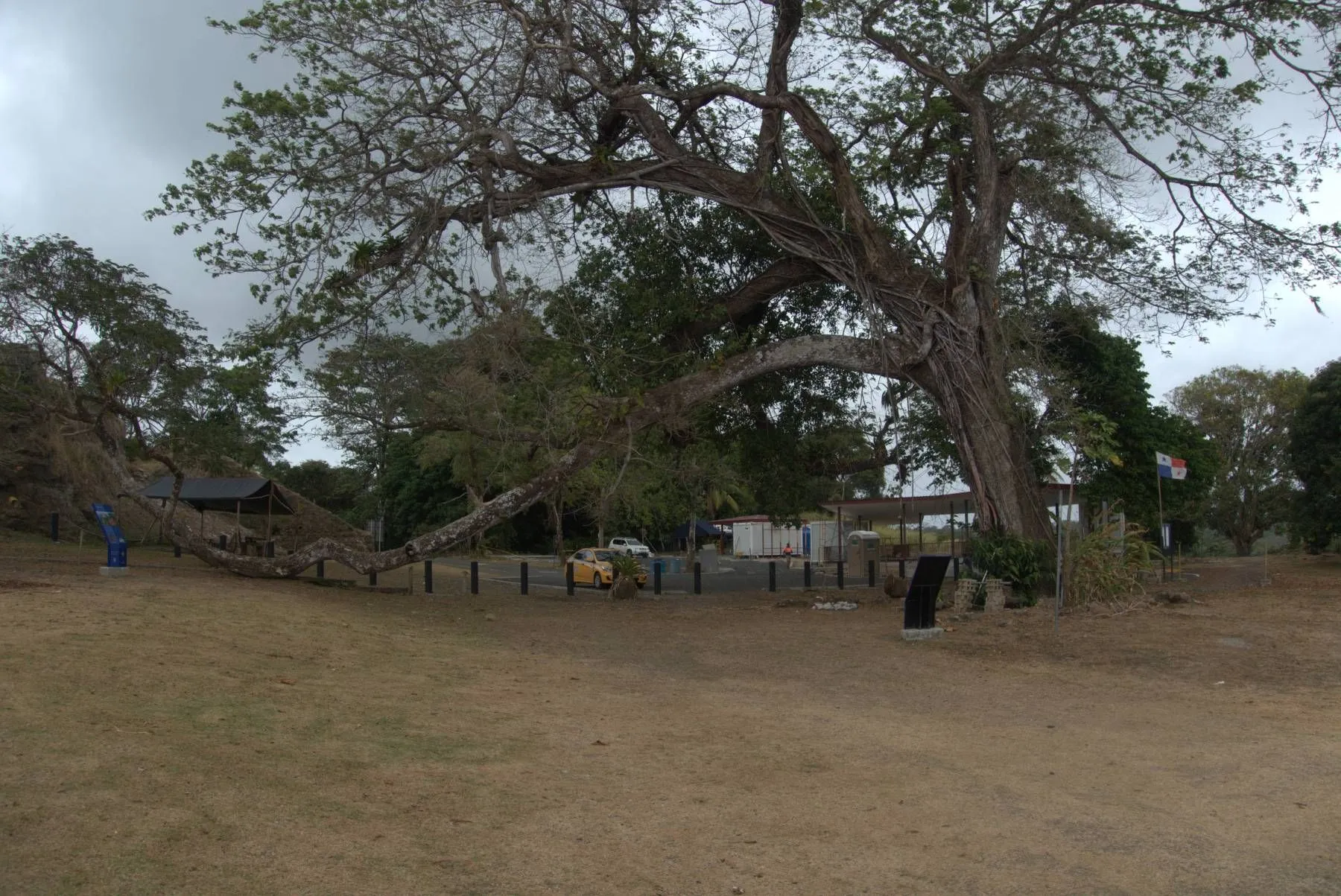
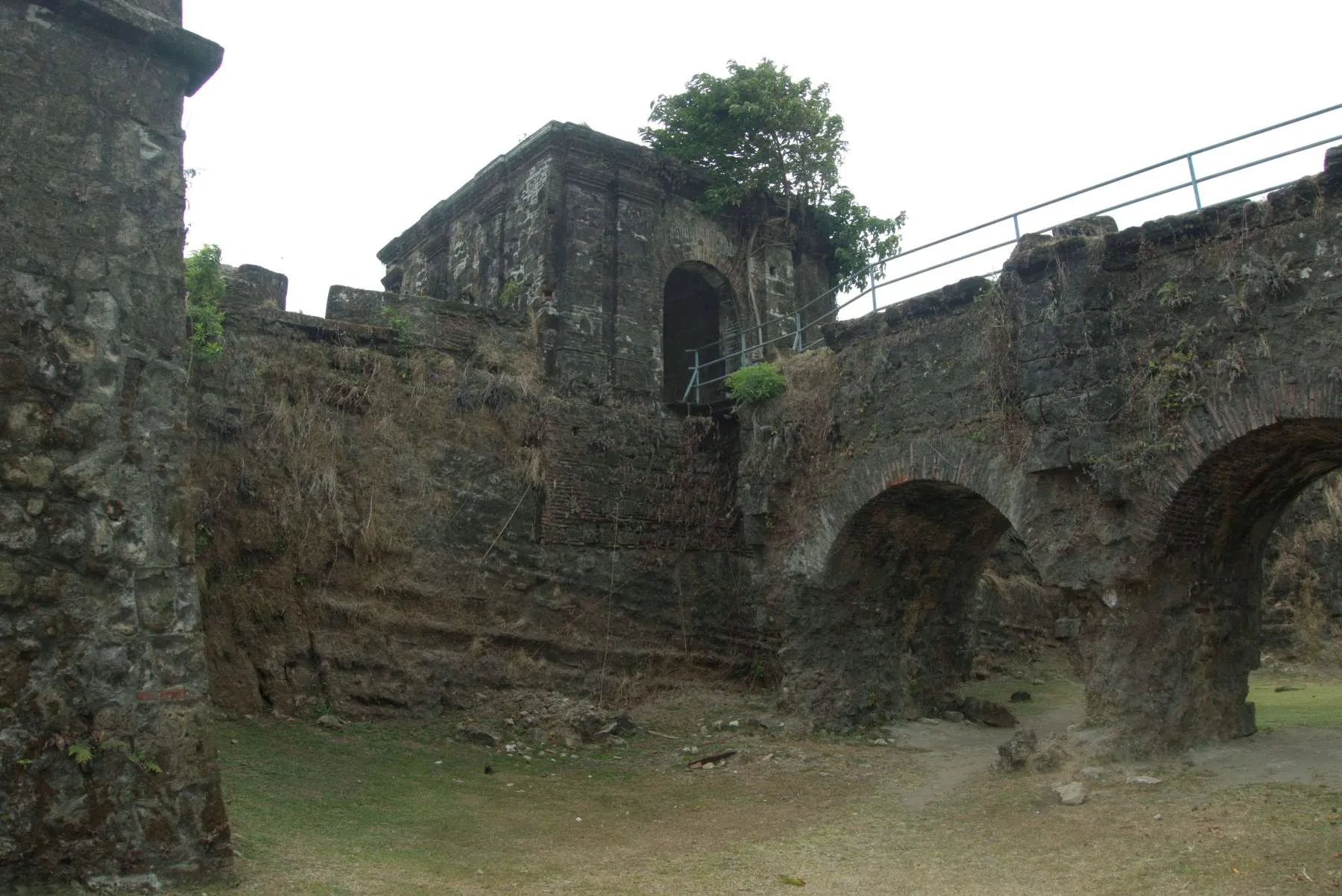
On the last day I visited an old castle ruin. As I found out there, it’s even a UNESCO World Heritage Site.
After a week of waiting we finally set off into the canal.
The canal is a masterpiece more than 100 years old. An artificial lake (Gatún Lake, once the largest in the world) feeds the locks on the Atlantic and Pacific sides.
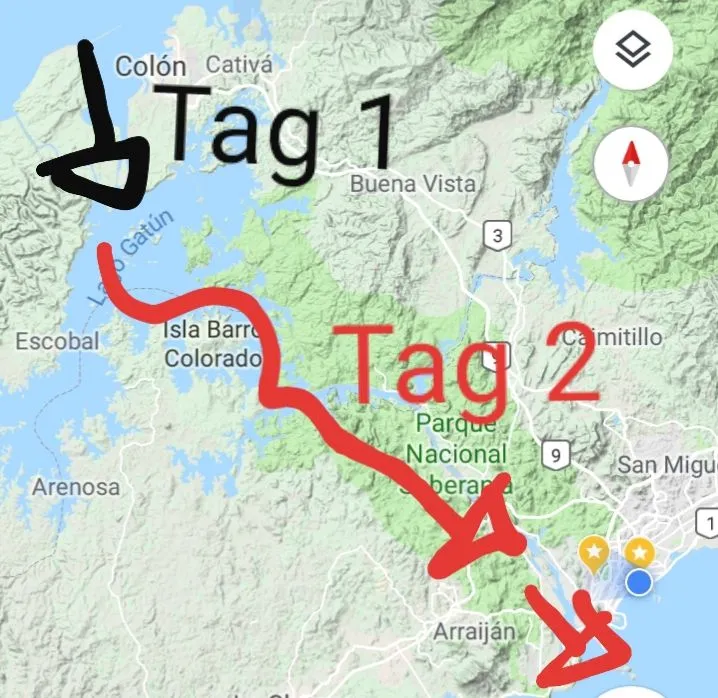
In the morning we headed to the locks and picked up our advisor. Every boat needs a skipper, four “line handlers” and an advisor. Just before the first of the three up-locks, which were to lift us 36 m, we rafted up with two other boats into a three-pack.
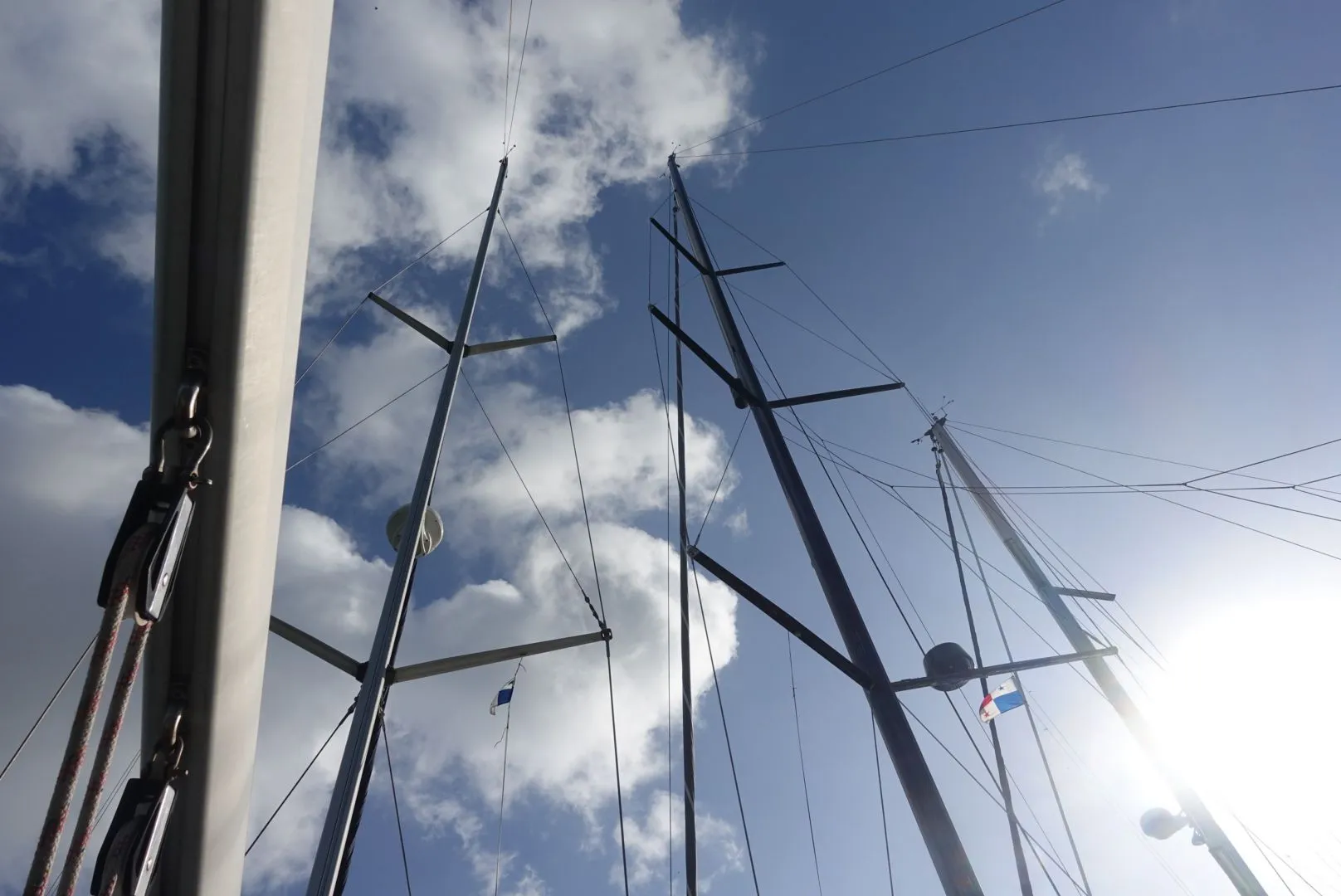
The procedure was always the same. A container ship entered the lock first and then we followed. Then the lock was filled with water and we moved on into the next one.
Big ships are guided by a kind of locomotive, while we had to look after ourselves.
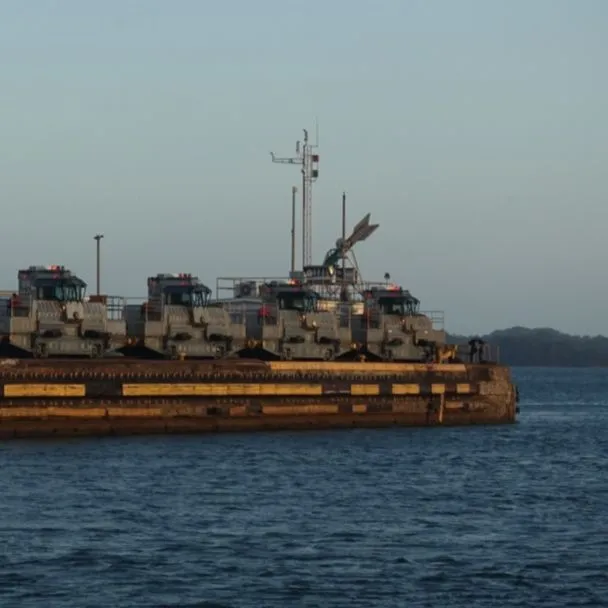
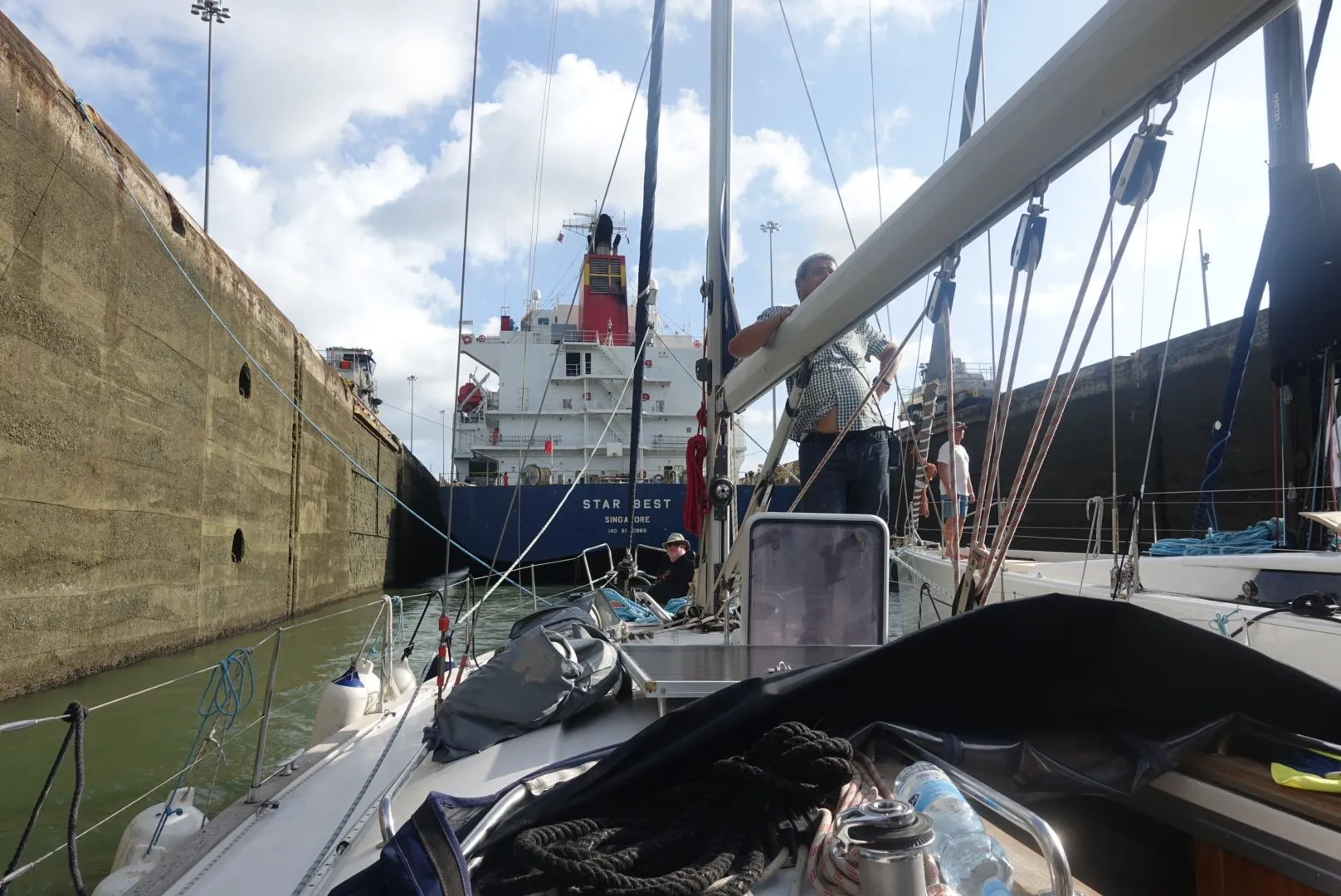
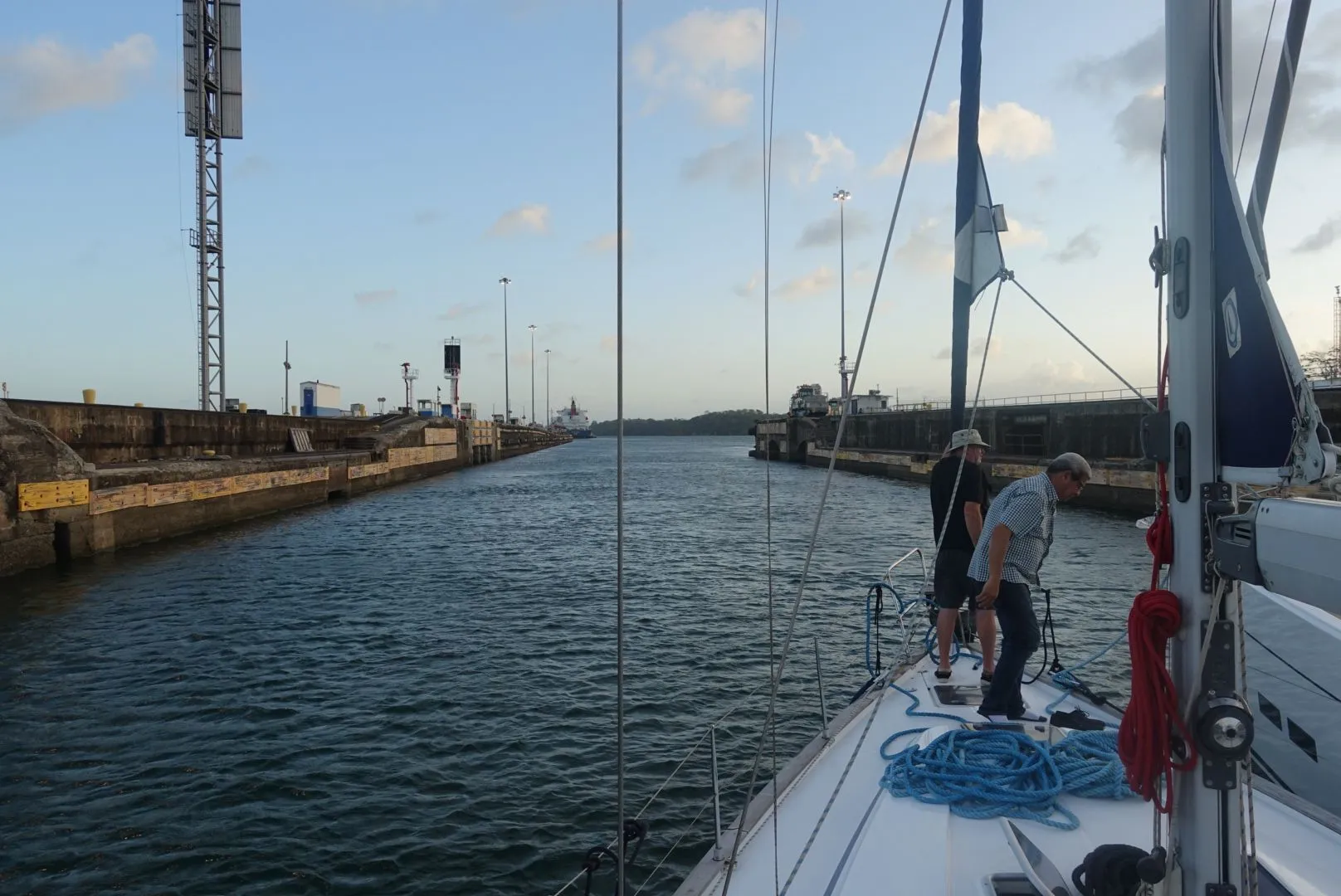
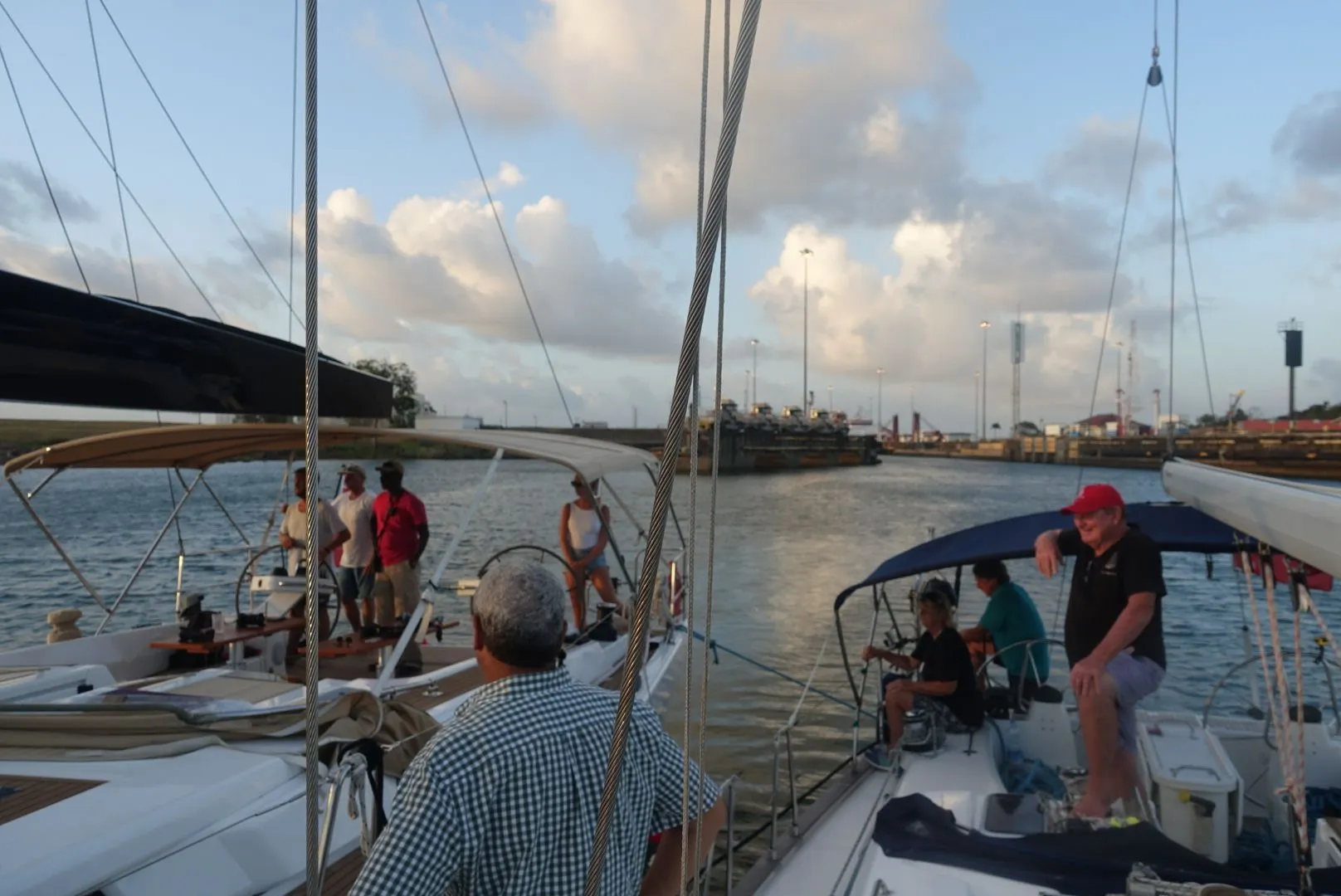
As the day was coming to an end, we tied up to a buoy in Gatún Lake for the night.
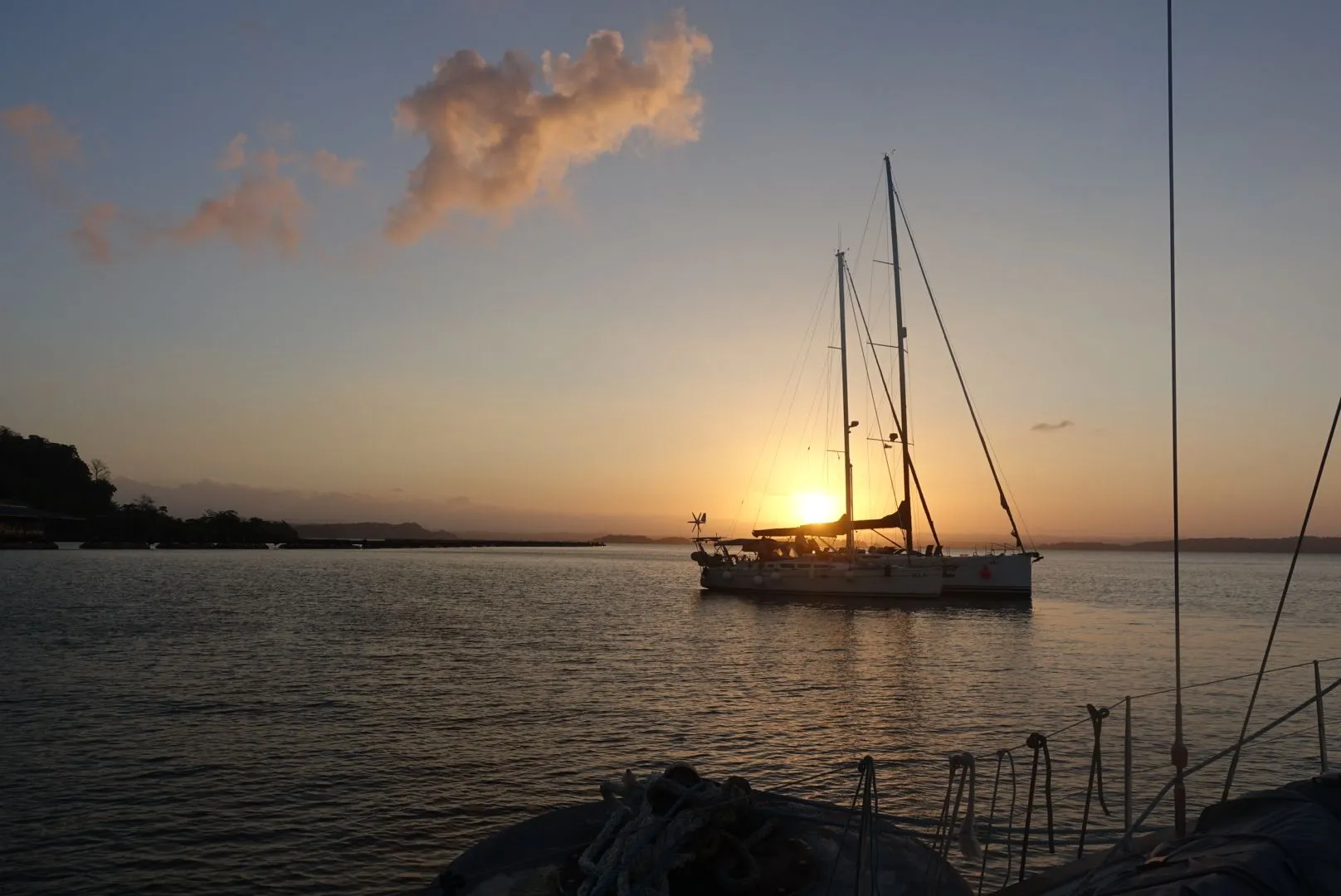
The next morning we motored through the lake for a few hours before reaching the locks for the way down.
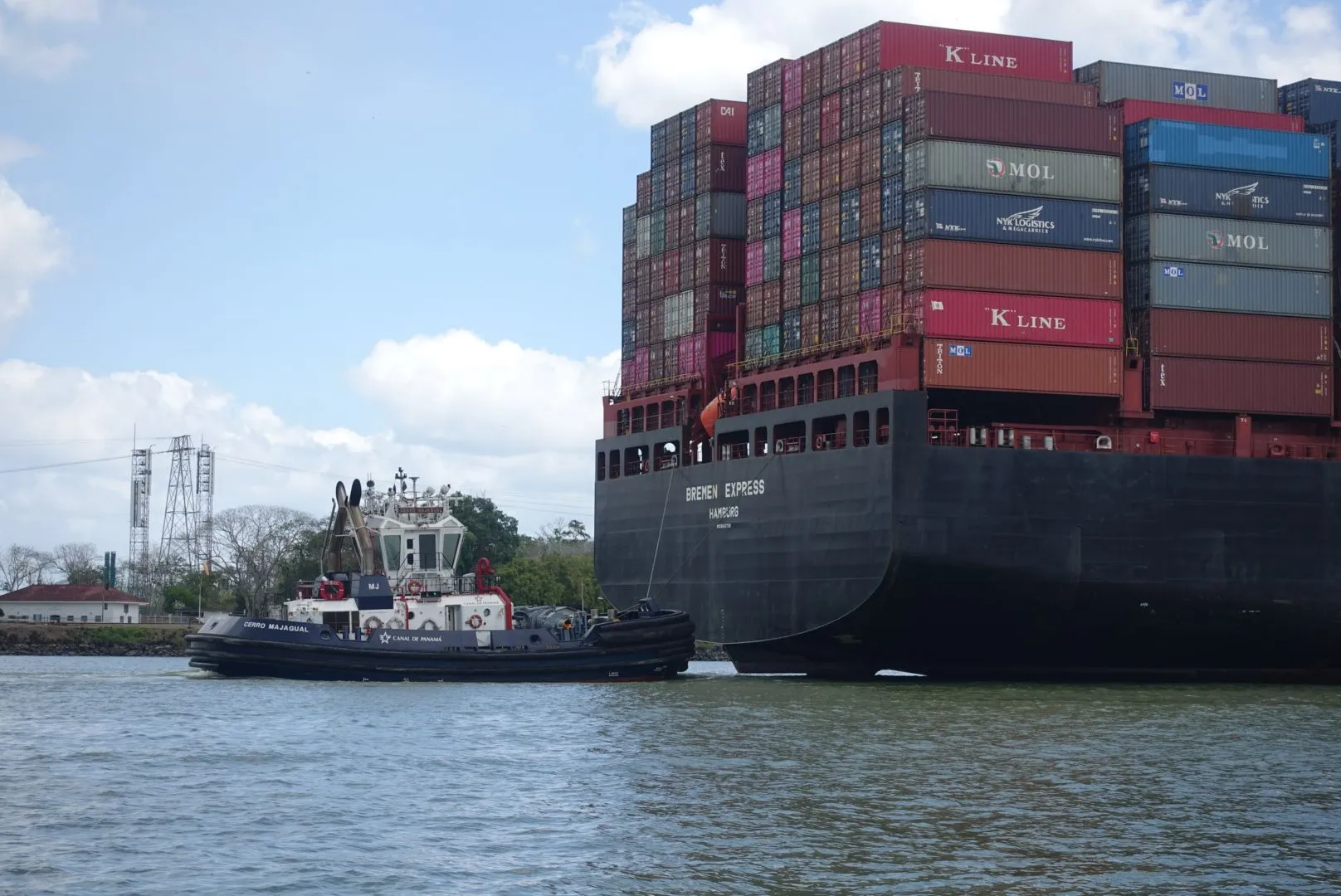
This time there were only two of us rafted together and we entered the lock first. A big tanker came in behind us.
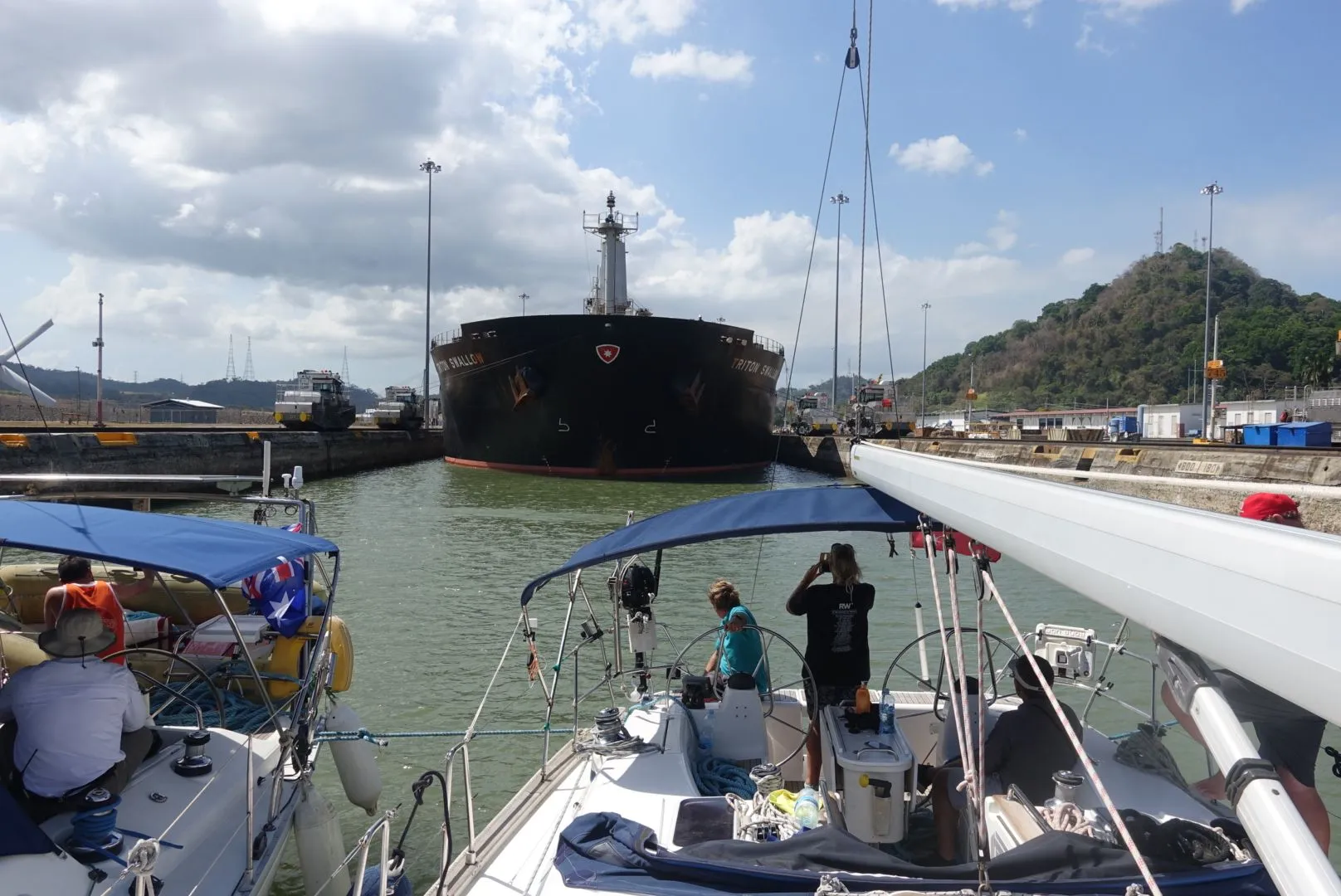
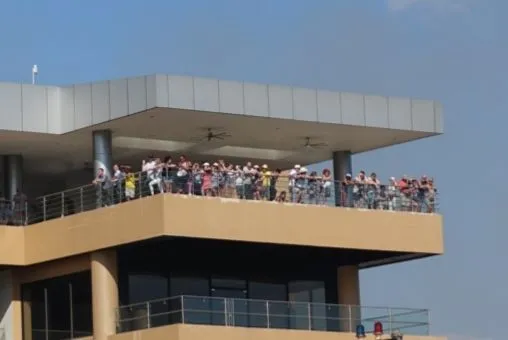
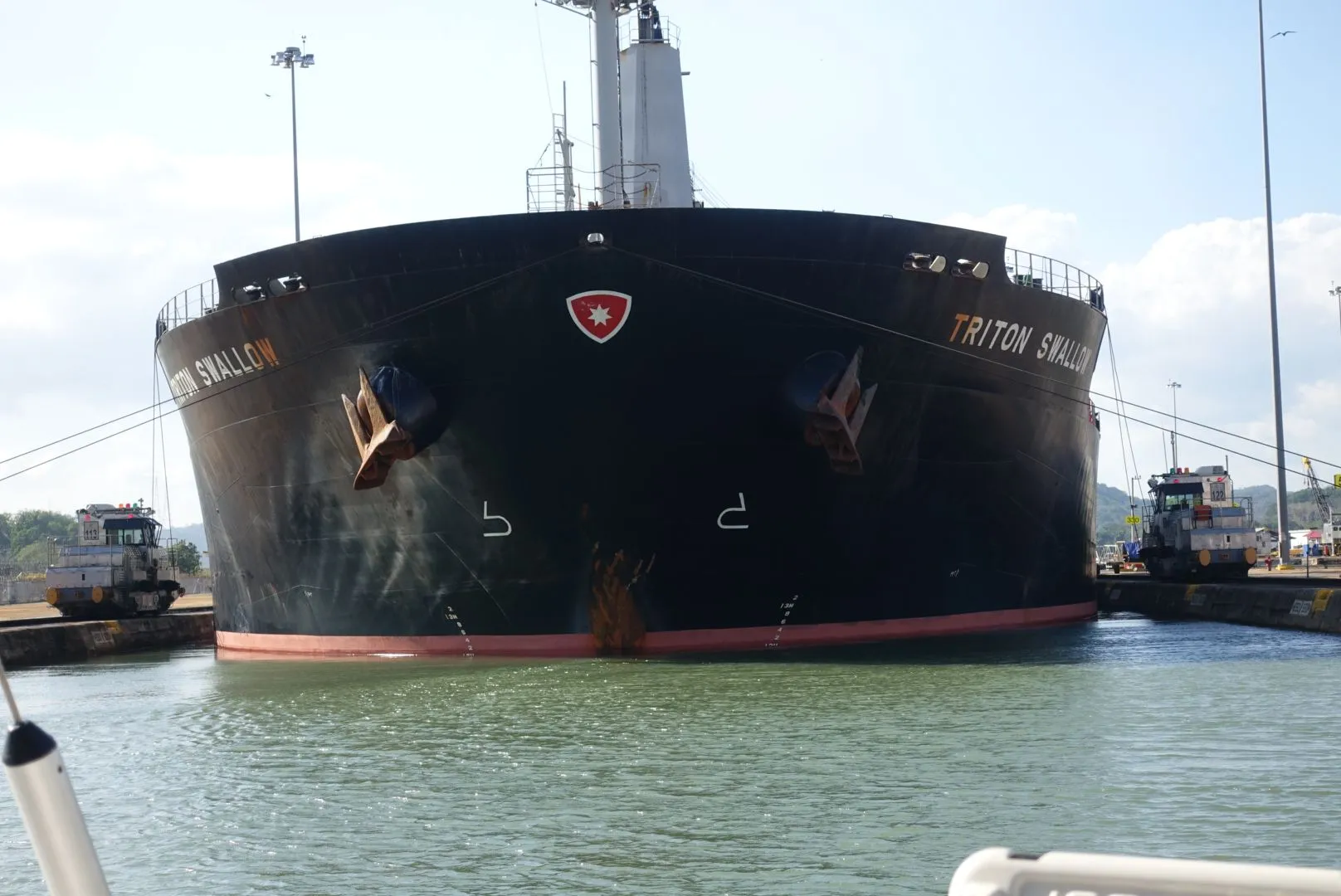
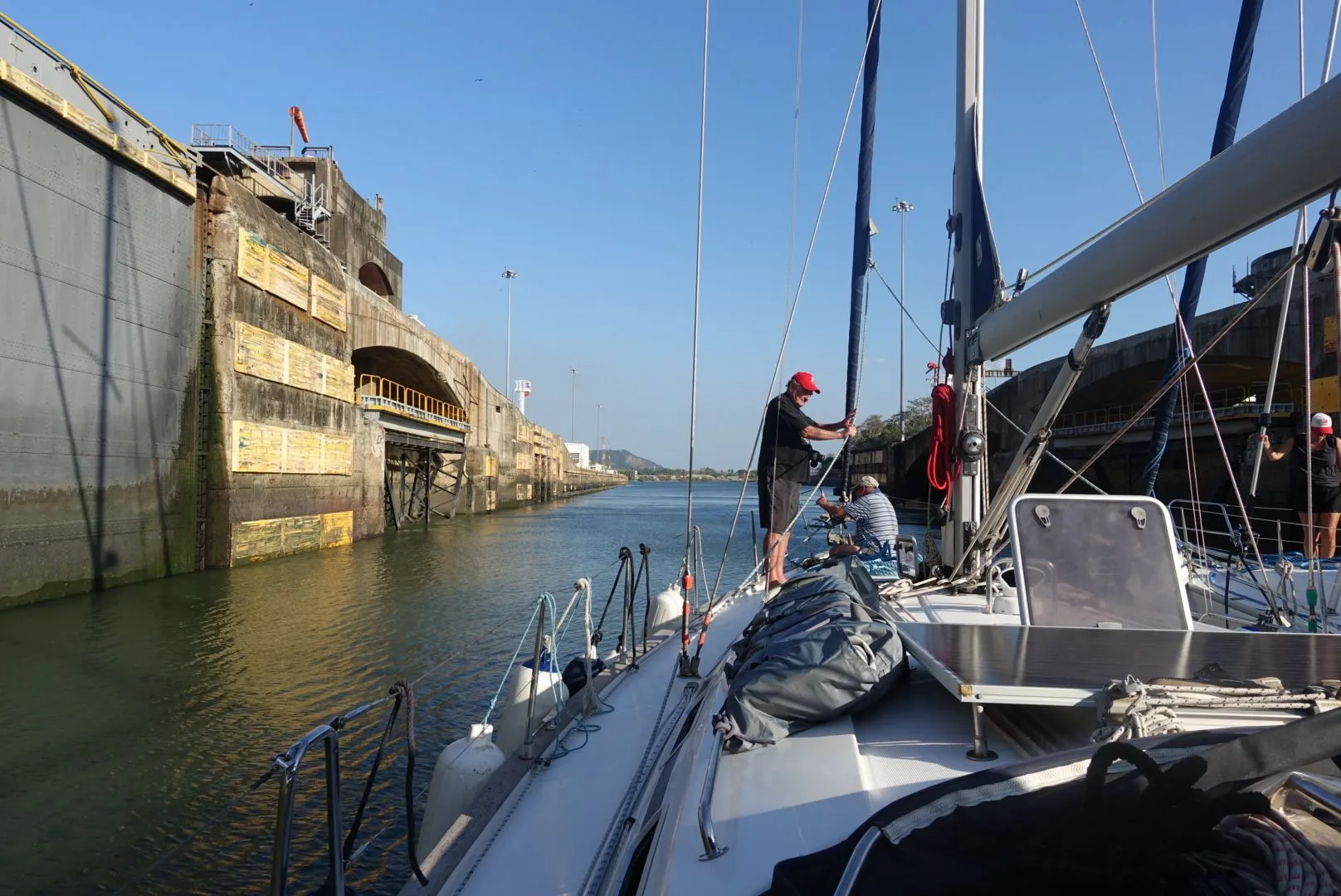
Again towards evening we arrived at the Balboa Yacht Club on the Pacific side and tied up to a buoy, before heading to our actual destination, Vista Mar Marina, the next day.
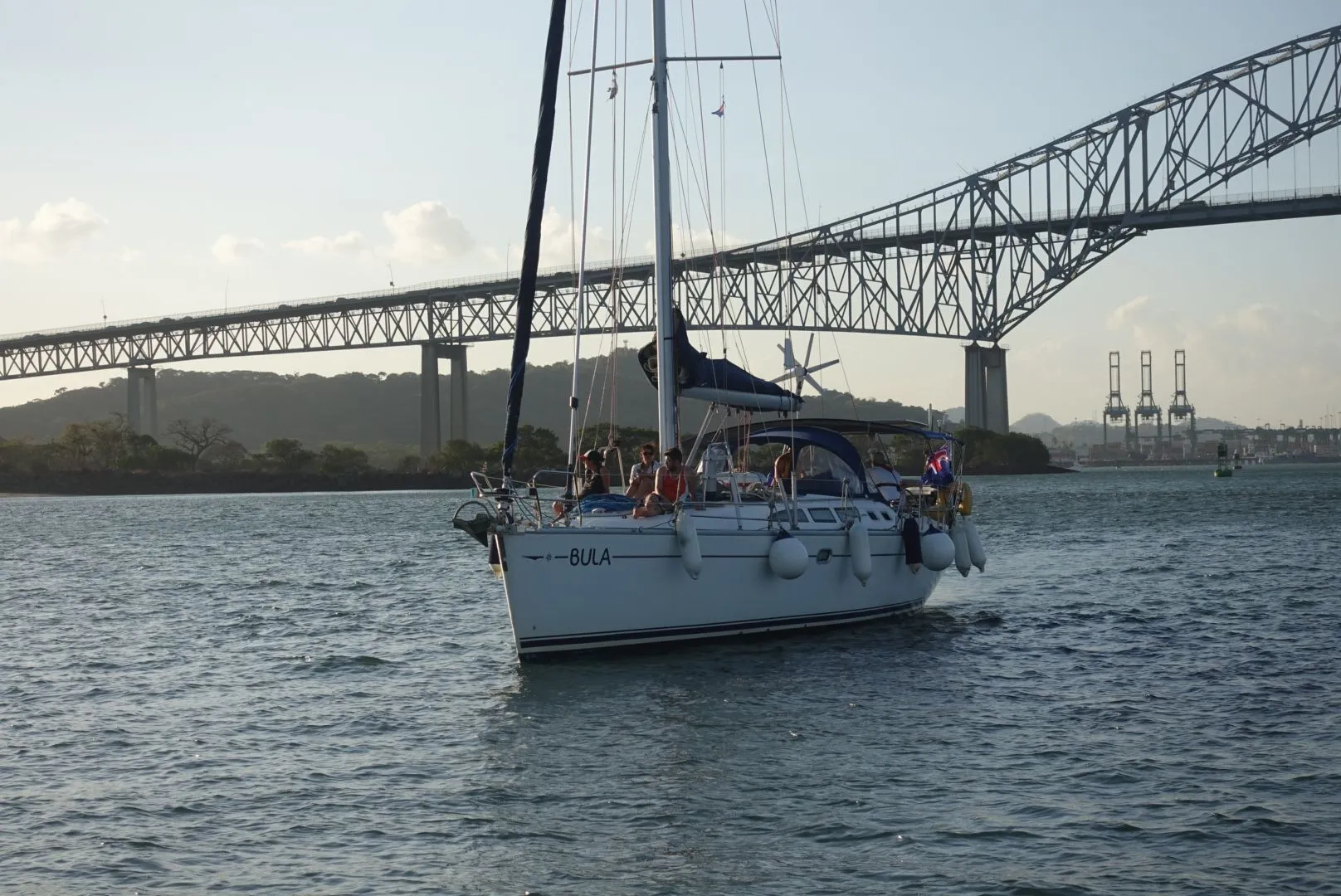
That’s it for this report. In the next one I’ll tell you how I left the boat and set off into the dense jungle of the Darién Gap.
Eines Abends auf St. Lucia gab es dann noch eine freudige Überraschung. Ziemlich unerwartet traf ich zwei Freunde, die ich auf den Kapverden kennengelernt habe. Ein Australier und ein Franzose, die wie ich per Anhalter auf Booten unterwegs sind.
Wir feierten die Nacht zusammen in der Stadt und verabredeten uns für den nächsten Tag, um auf einen Berg zu steigen.
Am nächsten Morgen ging es im Trio und einem Local (den die anderen kannten) den Berg hoch. Der Weg war wesentlich anstrengender als erwartet und wir merkten schnell, dass wir zu wenig Wasser hatten. Trotzdem kamen wir lebendig oben an ✌
Auf St. Lucia stand mir eine schwere Entscheidung bevor. Trevor und die anderen wollten nach fünf Tagen auf der Insel weiter Richtung Panama. Ich wäre gerne länger geblieben, hab mich dann aber dazu entschlossen, weiter mit China Plate zu segeln.
Für die Passage nach Panama planten wir 10 Tage ein, und nach den üblichen Vorbereitungen machten wir uns auf den Weg. Diesmal hatte ich keine Probleme mit der Seekrankheit, denn ich habe meine Strategie von ‚so wenig wie möglich‘ zu ‚Tabletten einfach immer nehmen‘ geändert, was ziemlich gut funktioniert hat.
Dafür passierte dann etwas, das ein Segler immer vermeiden will: wir hatten viel Wasser in der Bilge (unten im Boot). Das hieß, es musste irgendwo ein Leck geben, wo Wasser langsam ins Boot eindringt. Nach einigem Gesuche fanden wir dann das Leck: beim Ausgang, wo das Kühlwasser des Motors in die See geleitet werden soll, ist das Rohr gerissen, so dass das Kühlwasser im Boot anstatt in der See landete.
Nach diesem Zwischenfall verlief die restliche Fahrt weitestgehend entspannt und wir konnten die schönen Seiten der Segelei genießen.
Nach den wie geplanten 10 Tagen erreichten wir ausnahmsweise mal tagsüber unser Ziel Shelter Bay Marina. In diesem Hafen warten alle Segelboote, die durch den Kanal wollen und den Papierkram erledigen müssen. Da Chris und Mandy (flog aus Lanzarote ein) gut geplant hatten, mussten wir nur eine Woche warten.
In dieser Woche hatte ich Zeit, einfach mal zu entspannen und nichts zu tun. Es gab einen Pool und nen Fitnessraum, außerdem wurde super gutes Eis (das Wichtigste natürlich) verkauft. Die Zeit nutzte ich, um Dschungel und Strände in der Umgebung zu bewundern, die nur so von Tieren wimmelten.
Am letzten Tag besuchte ich noch eine alte Burgruine. Wie ich dort feststellte, war sie sogar UNESCO-Weltkulturerbe.
Nach einer Woche Wartezeit ging es dann endlich los in den Kanal.
Der Kanal ist ein über 100 Jahre altes Meisterwerk. Ein künstlicher See (Lake Gatun, der größte der Welt) speist die Schleusen im Atlantik und Pazifik.
Am Morgen machten wir uns auf den Weg zu den Schleusen und holten unseren Advisor ab. Jedes Boot braucht einen Skipper, vier „linehandler“ und einen Advisor. Kurz vor der ersten der drei Aufwärtsschleusen, die uns 36 m in die Höhe bringen sollten, verbanden wir uns in ein Dreierpack mit zwei anderen Booten.
Das Prozedere war immer das Gleiche. Ein Containerschiff fuhr als erster in den Kanal und dann kamen wir hinterher. Daraufhin wurde Wasser aufgefüllt und es ging in die nächste Schleuse.
Große Boote werden mit einer Art Lok geführt, während wir uns um uns selber kümmern mussten.
Da sich der Tag einem Ende neigte, machten wir im Lake Gatun an einer Boje für die Nacht fest.
Am nächsten Morgen ging es dann einige Stunden durch den See, bevor wir die Schleusen für den Weg runter erreichten.
Diesmal waren wir nur zu zweit und fuhren als erste in die Schleuse. Ein großer Tanker kam nach uns.
Wieder gegen Abend kamen wir im Balboa Yacht Club im Pazifik an und machten an einer Boje fest, bevor es am nächsten Tag zum eigentlichen Ziel, Vista Mar Marina, ging.
Dies war es mit diesem Bericht. Im nächsten werde ich berichten, wie ich das Boot verließ und mich auf den Weg in den dichten Dschungel des Darien Gap gemacht habe.
Comments
New comments appear once I have approved them. Stored: name, text and, if given, website and e-mail (never public). More in the privacy policy.